So I am done with dialysis, hopefully. Today was the last session before the transplant surgery tomorrow. It was pretty uneventful. One of the techs that know how to cannulate me was in so she stuck the needles in without any problems. There was a bit of pain here and there but not too noticeable. The session did seem to take forever though. Each time I check the clock, it seemed like it was standing still. Most of the nurses and techs came by to say goodbye so that was nice. I hope I never see them again in a clinical setting.
Right now it about 1:45 pm and I’m packing for both the hospital stay and the two weeks in Westwood. I’m trying to take as little as possible, especially to the hospital but four days is a long time without all my tech toys.
One of the last tests we had to do for the upcoming surgery is a COVID-19 test. As I mentioned before, UCLA only allows testing to be done at one of their sites. When I called for a reservation, the closest location with available time slots is in Santa Monica. So, instead of a minor inconvenience in getting tested, it became a huge hassle. Our appointment time was at 11:30 am so I picked up my sister around 10:00 am for the long drive. The traffic was a bit lighter than we thought so we stopped by the Glendon Apartments in Westwood to check out the place. We are planning to stay there for two weeks post surgery.
We got to the testing site at around 11:20 am and was checked-in immediately. We then drove around the parking lot to a tent, and two people came over to collect samples. Unfortunately, they are still using the back of the sinus collection method so it felt like they were cramming the swab into our brains. This was the first time for my sister so she didn’t know what to expect. For me, it’s the third time and it felt just as painful. Overall, it took <2 minutes but the drive was over 100 miles and about 2.5 hours.
Let’s hope the tests come back negative…
==========
Sigh, everything is so last second. We waited over 4 years for the transplant and it seems everything needs to get done tomorrow since the surgery is Wednesday. I just got a call that UCLA wants me to get the COVID-19 vaccine before the surgery. Since I have to go to one of their clinics, I ended up scheduling it for tomorrow at 6:00 pm. We’re going up there tomorrow night anyway so I’ll just get the shot prior to checking in at the guest house. I hope that’s good enough and I won’t have to make a run up to UCLA tonight.
I got a call from UCLA this morning to check-in for my surgery next Wednesday. My sister said she got a call yesterday from the same office. So right now, we’re both checked-in and registered.
I’m getting more and more nervous as the date draws closer. I keep thinking the next email or call from UCLA is to cancel the procedure. They added some more test results to the online portal, which freaked me out until I saw it was just old test results from St. Joseph hospital. Sigh…
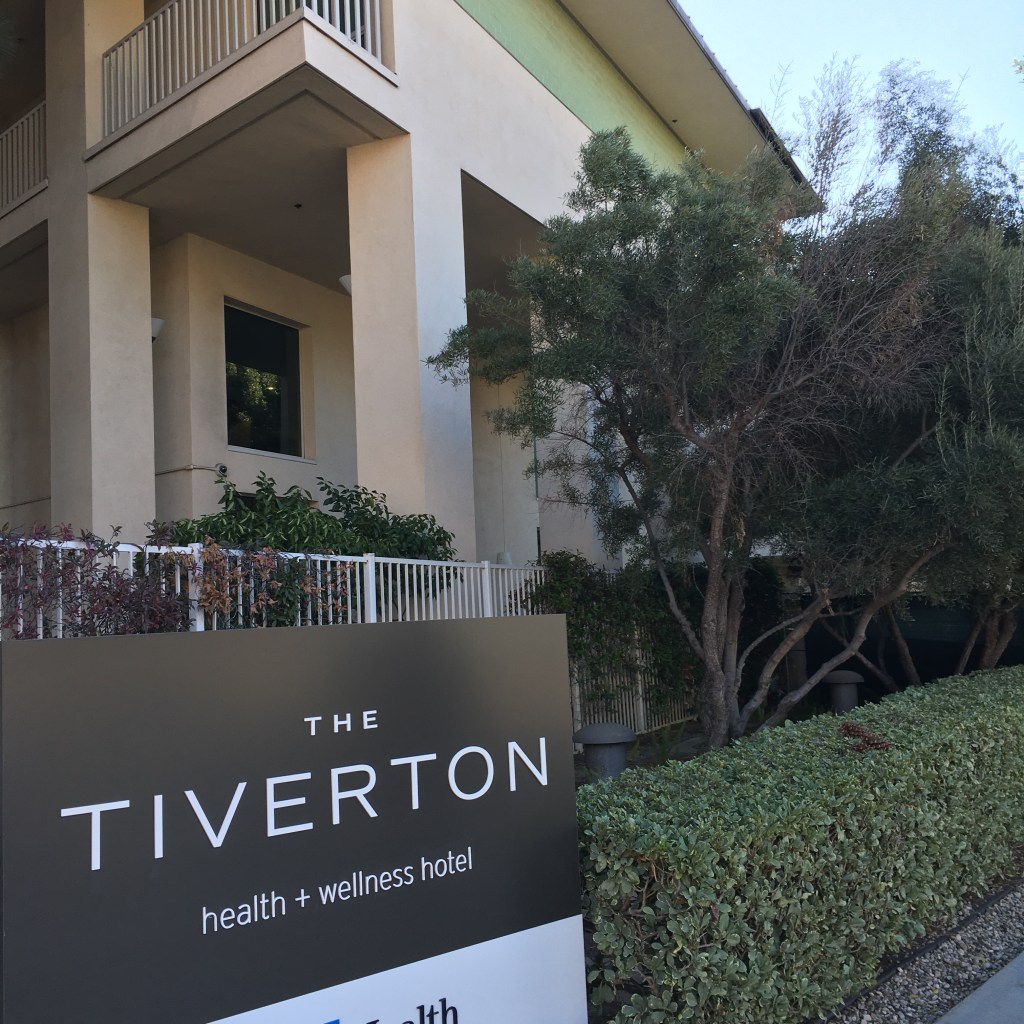
I started looking for room options in Westwood post transplant surgery. If I need to stay for a few weeks, then the rooms at Tiverton House are going to be very restrictive for three people. If we get adjoining rooms, then the cost is very high, around $350/day. For that much money, I can get a nice apartment with Airbnb.
Since my parents will probably stay with me, I filtered for a two bedroom apartment. There is a limited selection, and all are around $200/night. If you look closely at the listings however, it seems like there are only two hosts with a bunch of apartments each. It feels like professional management companies rather than individuals renting out their apartment. Since it’s LA, there is an hotel/occupancy tax for each listing. The total for 13 days is a bit over $3000 total.
==========
If I filter for hosts that allow for cancellations, then it’s just down to one host with seven apartments. I don’t know if it’s the actual apartment management renting out the rooms, or another person renting them long term and subleasing out? If you look on apartments.com, there are only a few two bedroom apartments for rent inside Westwood Village, and they rent for $4000-$4500/month. How are these Airbnb’s making money during the COVID-19 pandemic?
==========
Update: 1/22/2021 12:15 pm
I booked an apartment yesterday for 13 days starting next Saturday. The rental is in the Glendon Apartment complex in Westwood. I haven’t lived in/near Westwood since 1990 so it will be interesting to hang out there for two weeks. Hopefully I’ve recovered enough to walk around a bit.
Nobody has called me yet but I got a notification that additional test results were available at UCLA Health. I quickly logged in to check and both seem to be relevant. This is all the test results so far:
Test
Result
Reference
Cocci IgG EIA
<0.150
<0.150
Cocci IgM EIA
0.227 ⬆︎
<0.150
Cocci Ab ID-TF
Negative
Negative
Cocci Ab ID-CF
Negative
Negative
Initially, they wanted me to see an infectious disease doctor because of the 0.227 result on the IgM test. Later they said to wait for tests, and the two new ones are both negative. I hope these are it and UCLA will give the go ahead for the transplant.
==========
Update: 1/16/2021 1:40 pm
I got notification for another test result while I was at dialysis this morning. It was nerve-wracking since I thought we were done with additional test results. This time, the test was Coccidioides Antibody, CF and my results were the same as the reference value of <1:2. Again, I have no idea what that means, but all that I care about now is that the result is normal/negative. This is the fifth test for Valley Fever so far. Since nobody called me from UCLA yesterday, I don’t know if there are any more test results pending.
Coordinator just called me back during dialysis. Now they’re waiting for another test to confirm the initial antibody test. So we wait. It’s an emotional roller coaster ride for sure.
==========
Chest X-ray came back. This is probably the 4th one this year. It was free of plural effusion and pneumothorax.
A pneumothorax is a collapsed lung. A pneumothorax occurs when air leaks into the space between your lung and chest wall. This air pushes on the outside of your lung and makes it collapse. Pneumothorax can be a complete lung collapse or a collapse of only a portion of the lung.
They’re probably waiting for another test unless they’re looking for evidence of pneumonia or TB.
The last thing I was worried about was my heart and the EKG UCLA ordered. I’ve done several EKGs, echocardiograms, ultrasounds, CT scans, you name it. After the ablation and fluid removal for pleural effusion, I didn’t think there would be a problem, especially since I met with UCLA’s cardiologist and he reviewed both my echocardiograms. Anyway, the results came in for the EKG on Monday and there were a lot of notations:
Sinus bradycardia
Left atrial abnormality
Left ventricular hypertrophy
Abnormal electrocardiogram
My heartbeat was at 57 bpm, which technically is bradycardia since it’s <60. I think that’s okay though, and my Apple Watch says my 7-day resting heart rate is 63.
For the next two items, I thought they were addressed in my heart stress test and echocardiogram results. I dug up the notes from my cardiologist on the last echo and within a long list of findings, it said:
Moderate asymmetric left ventricular hypertrophy
Severely dilated left atrium
So, did UCLA’s cardiologist, who wanted two echocardiograms done, review my results? They said he gave his clearance for transplant. Maybe these findings are another “no big deal.”
I wish someone would call me to let me know what is happening. If I need more tests, or the transplant needs to be delayed, so be it. But it’s agonizing watching all these tests results trickle in with out-of-range or non-normal readings and wondering if that’s the one which blows up the schedule.
Well, I didn’t get a call from UCLA today. It’s weird that they didn’t call me after dropping the bomb on me Monday afternoon. I did call my coordinator back but she didn’t answer her phone. Since her message did say that her assistant would call with the appointment time, I waited until today. At around noon, I called the assistant and had to leave a voicemail again. I don’t think anyone at the transplant center has answered my calls. It always goes to voicemail and then they call me back the next day. It’s about 12:10 am on Thursday and no one called me today either. A secure message through their portal was also not answered.
The planned surgery date is now <2 weeks away. I assume they want a more definite answer on the presence (or not) of Valley Fever since it could get a lot worse post surgery. I really doubt there is time for a proper diagnosis and treatment before the surgery date. That means moving it out into the future, with COVID-19 still a big unknown, and my sister needing more tests.
I was browsing Reddit and saw a comment about Sarah Hyland and her chest catheter. I didn’t recognized the name but when I Googled, I found out she was on Modern Family.
This is a selfie from the ER. I’m guessing it’s when her first transplanted kidney failed and she needed emergency dialysis, hence the chest catheter. I also found out that there are several celebrities that were on dialysis and received kidney transplants. Some of the names I recognized: Natalie Cole (singer), Tracy Morgan (SNL), George Lopez (comedian), and Sean Elliott (NBA). Maybe I’m secluded but I haven’t heard many celebrities, even those with kidney transplants, publicizing the need for kidney donors. If I had a bigger pulpit, I would talk about it all the time, now that I know how much dialysis sucks. I can understand if their kidney failed from drug use or neglect, but it’s still regrettable that there is such a huge shortage of kidney donors.
I’m more of a pessimist than optimist so I’m always worried about unknown stuff happening. Likewise for investments, I’m pretty risk adverse so I get worried when I buy stock. Anyway, only one day after the post-op meetings, there is a problem already. One of the blood tests that detects coccidioidal IgM antibody came back high. That indicates a possible Valley Fever infection. Symptoms include: fever, cough, tiredness, shortness of breath, headache, chills, night sweats, joint aches and muscle soreness, red spotty rash. That’s worrisome since I’ve been waking up at night in a cold sweat and I’m always tired. I just thought that was part of kidney failure and being anemic. However, I do have a rash on my lower back that’s showed up a few weeks ago. Again, I thought it was something else since the itch could be caused by high phosphorus levels.
Arg. Now I’m waiting for a call from the transplant center. They are scheduling me to see an infectious disease specialist, probably up at UCLA again. I read that in most cases Valley Fever will go away by itself. However, if I do have it, we need it gone by the time of surgery since the immunosupressive drugs will just make it a lot worse. I’m super worried that this will delay the transplant beyond my sister’s birthday and then there’s no telling how long the delay will be.
Sigh… why is everything so difficult?
==========
It turns out I also test positive for Epstein-Barr IgG and CMV IgG antibodies. However, it looks like 85% of adults also test positive so likely no big deal.
==========
I saw this NIH study that says if you test positive for Cocci IgM but negative for Cocci IgG, there’s an 82% chance that you’re not infected. That’s a pretty high false-positive percentage.
The clinical observation has been made that there might be an unacceptable number of false-positive enzyme immunoassay (EIA) test results for IgM among persons suspected of having coccidioidomycosis. Patients with a positive result for IgM by EIA are thought to have a diagnosis of acute coccidioidomycosis. However, this study found that 82% of patients with an IgM-positive and IgG-negative EIA result did not have coccidioidomycosis.
It’s been a long day. We were unsure about traffic this morning so we left the house at 8:15 am. My sister came and picked up me and my parents since she also has to go for labs and meetings. We got to Westwood around 9:00 am so we stopped by Tiverton House to check out the facilities.
One of the staff at the front desk was able to show us what the rooms look like. They are pretty small and don’t have cooking facilities. You can use the shared kitchen in the lobby, and breakfast is included. The room with two double beds is $179/night, and a room with a single king sized bed is $189. Actually, the rooms are kind of depressing so we may check out Airbnb to see if there are other options. The donor gets a few nights of paid accommodations for their family so my sister-in-law probably going to stay a few nights, and ask my parents to watch my nieces.
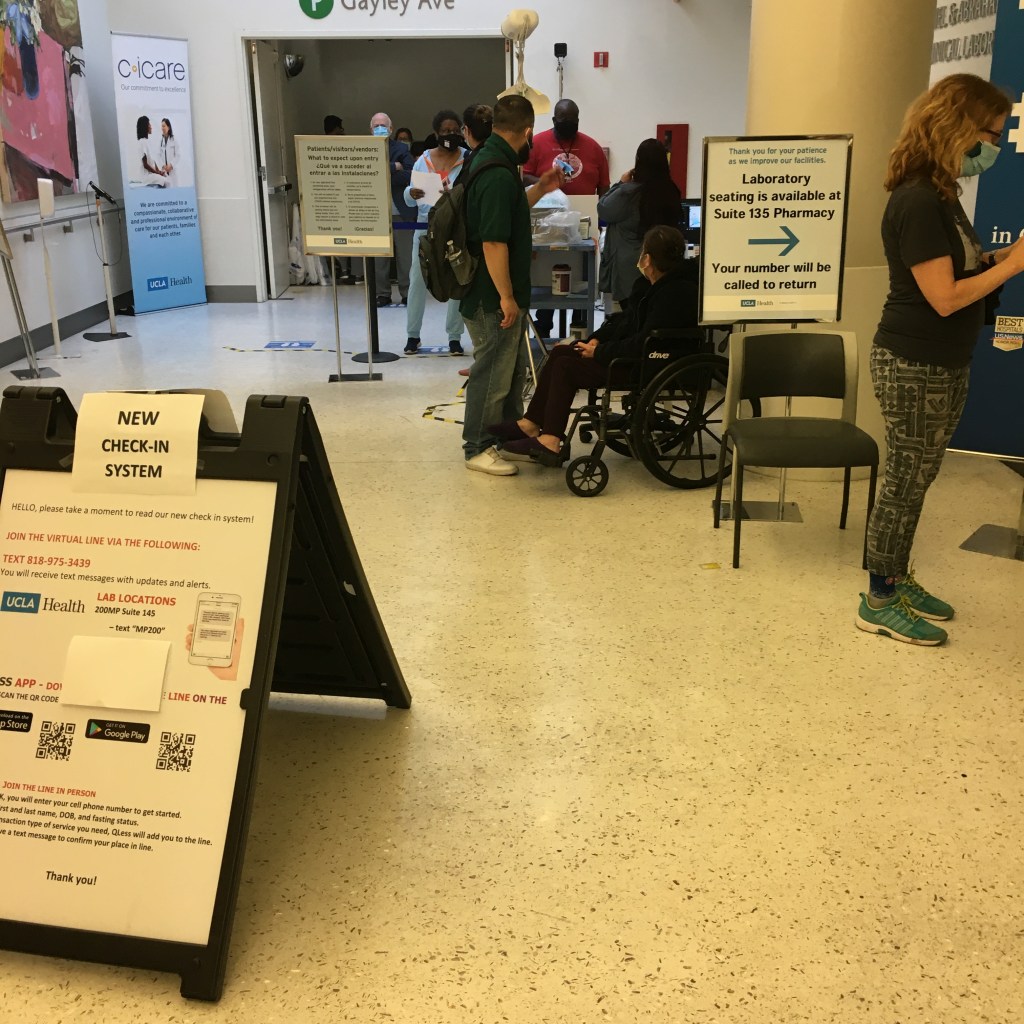
We arrived at UCLA 200 Medical Plaza at around 10:00 am. There was a long line at the main lab so we got into the virtual registration line. You send a test message to QLess and it keeps you informed of how long the line via test. There is also an app to update you with a big more details. I then went to radiology to get a chest x-ray which only took 10 minutes. I went back to the lab line and was called in pretty quickly, except it was just for registration, and the second line for service was 58-74 minutes long.
Since we had other meetings at the transplant center, we decided to go to the 5th floor, check-in, and have our parents wait in their lobby. At check-in, we found out that the lab draws were scheduled in the transplant center instead; we had read the instructions incorrectly. They were able to transfer my reservation upstairs but my sister had to go back down to the main lab to have her blood drawn. Confusing.
We waited for about 20 minutes and I was called in for labs. They drew 15 tubes of blood; I guess they’re testing for everything. That was followed by an EKG. Next, the transplant surgeon came to do a quick exam and an intake interview. After he was done, their nephrologist came and did a quicker exam and she also asked a few questions. Finally, a transplant coordinator came to tell me a few preparation items and another copy of the documents the they sent via Fedex Saturday. We were done at around 12:30 pm and headed home.
I got a few follow-up calls already. Most of my labs were fine, except my potassium levels are still elevated. They were at 5.9 last month at the dialysis center, and today’s test came back at 6.2. Again, I’m not sure what’s up with that since I’ve avoided high-potassium foods. Also, my creatinine is higher at 10.49, which translates to a eGFR of 5. This is lower than my typical 7-9 score. I don’t know if it means much at the low end of the scale, but maybe hemodialysis is becoming more ineffective for me? I’ll need to check my clearance numbers with the dialysis center. UCLA also said it won’t delay the surgery but they may give me another medication pre-surgery to lower the potassium levels.
So far, it looks like a go. Their nephrologist was very optimistic. Since my sister and I match very well, she thinks I’ll only need a minimum dosage of inmmunosupressive drugs post-surgery. She also kept saying that my hospital stay will be only three days. The coordinator said the room situation is still fluid but I still may be able to get my own room. Since that wing of the hospital is reserved for transplant recipients, hopefully it won’t be too full. All I have to do is keep my dialysis schedule, show up for a COVID-19 test in two weeks, and go back at 6:00 am on Wednesday, January 27th.
==========
The coordinator also said since my surgery is scheduled, they are taking me off the UNOS transplant wait list. No problem since I probably still have a good four years to go before getting a cadaver donated kidney.
I woke up several times overnight covered in sweat. I am still getting chills, mostly when lying down in bed. I would feel cold so I would use the electric blanket and comforter, but then it would get hot… but I still feel cold. Anyway, I got up at around 6:00 am so I turned on the news. Bad move.
It seems that COVID-19 is getting worse in California, and especially in LA County. I thought I heard it’s leading the nation in number of cases. What the hell? Again, what are these people doing that they’re getting so many infections? The donor coordinator said LA County Health Department shut down all operating rooms overnight last March and it could happen again. Not only will that make my sister need more tests, it will probably push the transplant surgery further out. What I’m hoping for is that they need to keep some transplant surgery capacity open for cadaver donor transplants, which can’t wait. If they need to have an isolated resources available anyway, they may keep the living donor surgeries going to be more efficient.
I does look like the curve is easing up at the end of the graph. However, much like looking at a stock price chart and predicting the future, we don’t know if it will pick up in a few days/weeks, or if we’re on the decline. Next two weeks will be nerve-wracking for sure.
Just spoke to my cardiologist’s office. My cardiologist had given clearance for the upcoming transplant surgery and also approved me stopping my blood thinner for two weeks. That was one of the last hurdles. Even though I spoke with her about it earlier, you’re never sure until the final clearance comes through.
BTW, my cardiologist is awesome. I would send her messages through the patient portal and she or her office would respond very quickly, usually the same day. Actually, I’ve been pretty satisfied with the care I’ve been getting from St. Joseph Hospital, from the ER to dialysis to regular doctor visits. The only blemish is their kidney transplant program. If the social worker had not rejected my sister for no reason, then we wouldn’t have to drive up to UCLA for every test and consultation.
I sent a short email to my boss and several co-workers letting them know that I may be out soon due to the upcoming transplant surgery. One of the ask how I was feeling about it. I guess things have been progressing so fast after waiting four years that I haven’t processed anything yet.
All this time, I thought I would have several months to prepare for the surgery. For my open heart surgery, they did the angiogram on Tuesday and operated on me Thursday. The situation was probably more urgent but no one offered me any options. After the angiogram, my cardiologist said it was too severe for an angioplasty. I saw the thoracic surgeon next and went ahead with the surgery. I don’t know if things would have turned out any different if I had two weeks to think about it.
I am a bit worried about COVID-19. I don’t think there is additional risk from sharing a room with another organ recipient patient since they are not allowing any visitors. The recovery area should be isolated from the rest of the hospital so likely it will be the safest area in the hospital. COVID-19 does add uncertainty to the process however. We don’t know if the current spike in cases will get worse over the next few weeks. They’ve assigned all the ICU beds to handle COVID patients. If they get more impacted, it’s hard to justify reserving available hospital beds for “voluntary” organ transplants while people are dying. There is also a chance that the county health department will shut down all non-emergency procedures like they did last March. I did send a note to my nephrologist and she reminded me that the situation can change quickly, even in normal times, so be prepared.
As for the transplant, it’s hard to imagine. Four years is a long time to get used to a situation and dialysis seems a “natural” part of life. I haven’t traveled for so long that I barely think about it, unless I’m looking through travel magazines. There will be more challenges post-surgery since there are lots of new medications to deal with, but almost every transplant recipient I’ve talked to says it’s a much better life post-transplant.
==========
Maybe as a reminder, my right foot started hurting while I was typing the text above. It’s at the bottom of my foot, a bit above the heel. Even after the transplant, I will still have a bunch of chronic health issues, especially the peripheral neuropathy which seems to have no cure. Sigh… time for Tylenol and a nap.
Wow, when UCLA transplant center want things done, they move fast. From talking about a possible transplant date to almost scheduled in <1 day. We have our pre-op meetings set up for Monday already and we’re trying to confirm January 27th for the actual transplant surgeries. During the pre-op meeting, I’m supposed to meet with their nephrologist and the transplant surgeon, plus some more tests like a chest x-ray, EKG, blood labs, etc.
Due to COVID-19, I won’t have my own recovery room after surgery. I will need to share with another organ transplant recipient. The donor coordinator said I may get the half of the room with the TV or with the window view. I don’t care either way. I’m bringing my computer and iPad. I’d rather it for a few days bored rather than extend my time at dialysis.
==========
I just sent a note to my cardiologist regarding the last mini-hurdle to transplant. UCLA wants me off my blood thinner for surgery since they don’t have an antidote in case something goes wrong during surgery and I won’t stop bleeding. My cardiologist has okayed stopping for a week prior to surgical procedures, but UCLA wants two weeks. Worse case scenario, I would have to switch to coumadin, which is an older drug and needs a lot of monitoring.
==========
Just got another call from UCLA regarding the pre-op meeting. I have to do a chest X-ray and draw blood for labs before the appointments so I have to get there by 10:00 am. I’m not even sure what traffic is like anymore so I probably have to leave around 8:15 am. I also have to go back to get a COVID-19 test on January 25th. That’s going to suck… driving 100 miles and three hours out of my day just to get a 10 second nose swab.
Got a call from my transplant coordinator and they believe I do not need to stay in the ICU post-transplant so a scheduler will call me and my sister to schedule the transplant surgery. Yay! The coordinator thinks it will be sometime in February. There is still one very minor issue regarding my blood thinner medication but my cardiologist already said it won’t be a problem to stop or change the medication prior to surgery.
We still have to visit UCLA for a pre-op meeting a few weeks prior to the surgery for a final final clearance. Like my nephrologist said, it’s not over until new kidney is in and you’re peein’.
==========
Aiya! More complications to consider. My sister talked to the donor coordinator who said we may want to schedule the surgery ASAP. My sister turns 50 in early February. The transplant center may require additional tests, specifically a heart stress test and colonoscopy(!) after you turn 50. That means if we want to beat that deadline, we have 4 weeks to plan, meet, coordinate calendars. Her coordinator also said the right now they’re having patients share a room instead of having private room. I don’t care… at this point, I’ll live in the dorms if I have to. We have a call at 2:00 pm tomorrow to discuss the possibility of getting the surgery done within 4 weeks.
Just got a call from my transplant coordinator. I believe they have all the tests results and health records they need to make a decision. She said that their nephrologist would evaluate my case to see if I would require a stay in the ICU post-transplant. If not, then they can schedule the surgery. However, if it looks like I may need to stay in the ICU, then we need to wait since there are no available beds.
I always thought that I would need to stay in the ICU for a week. But looking back, I was in the ICU for only one day post-CABG surgery. Maybe a kidney transplant is not as intense as an open heart surgery. My doctors did say that this may not be the best time to be in a hospital recovering from surgery but I’m really tired of dialysis and want to get this over with ASAP.
Since several of my friends haver been asking me, maybe other people have questions as well. This is from several past conversations with my transplant coordinator so I’m not 100% sure it’s accurate until I hear from my current coordinator about my case.
UCLA has two different groups to handle transplant recipients and donors. They each have a coordinator and a separate surgical team. For example, I’ve never heard any information from the donor side. I only get information since my donors candidates are my sister and good friend, and they pass along news to me. In my sister’s case, it took over three years but she finally got approval from the donor committee a few months ago. My friend was rejected in June due to his oxalate levels. I was approved in the past but was put on hold due to my heart surgery, and needed a bunch of tests ans appointments to get back on approved status. When my sister was approved, I had three more conditions to meet: 1) heart stress test, 2) colonoscopy, and 3) approval from cardiologist to temporarily stop taking Eliquis (blood thinner). Since then, I took a Lexiscan test which required two echocardiogram follow-ups, did my first colonoscopy, and got agreement from my cardiologist to stop the medication a week before surgery. My coordinator has not communicated any more conditions to meet so I assume the transplant committee will meet to approve/reject my candidacy. I can’t remember if they meet on Mondays or Fridays but I should hear back in a few weeks at the most.
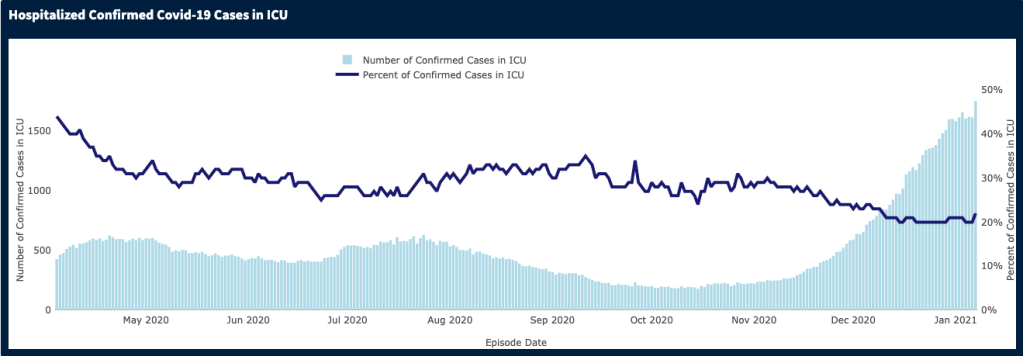
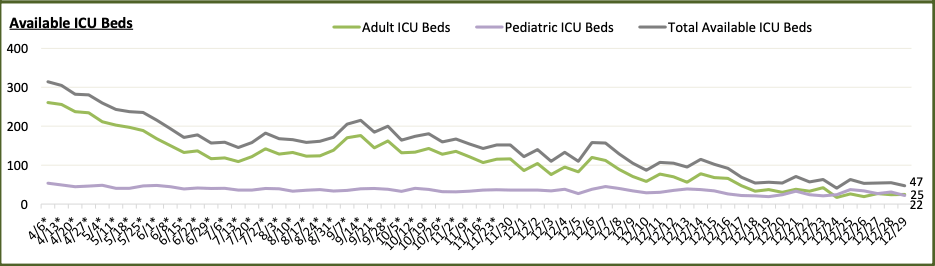
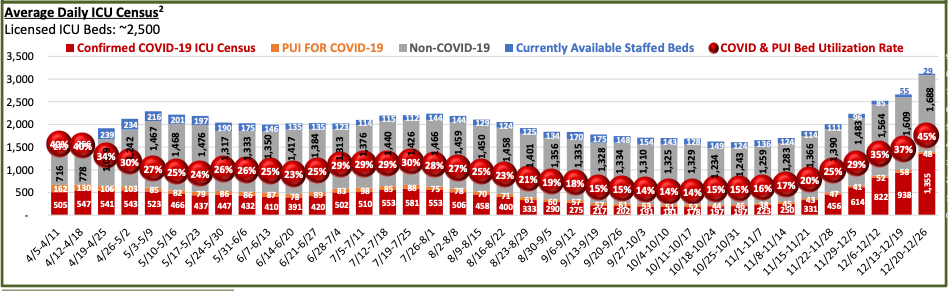
Once both patients are approved, then the donor and the transplant coordinator meet to schedule the surgery since both need to happen around the same time to preserve the health of the donated kidney. They will also need to reserve two ICU beds: 2-3 days for the donor, and 5-6 days for the recipient. This likely was not an issue in the past but now with the COVID-19 resurgence, there are no ICU beds in Los Angeles County. Because we can control the timing of the surgeries, I believe a live donor transplant is classified as an elective surgery so they’re pretty low priority right now. Hopefully, with the vaccine and more awareness, all things pandemic will improve and some ICU beds will free up. Here are some LA County hospital capacity data:
There appears to be only 25 unoccupied and staffed ICU beds in LA County as of 12/30. Not sure how many are at UCLA, but pretty sure they aren’t going to reserve two for a kidney transplant anytime soon.
<rant> Finally, to the covidiots who think violating social distancing orders and getting sick has no impact on society, you are wrong. You may survive and recover, but other people you may have infected are dying, in large numbers. Also by being careless, you are using up scarce medical resources that are needed by other patients. I have been on dialysis for over four years so another few months won’t kill me but for stroke or heart attack patients that cannot find an open ER or ICU bed? They are dying thanks to you. </rant>
I met with the nurse practitioner yesterday and she said everything looked fine. They removed four polyps; most were normal but there was one that needs closer attention. There were also some voids(?) in the colon walls that may collect debris and become infected. She told me to eat more fiber, including supplements like Metamucil, and go back for another colonoscopy in three years. Arg! I thought I was done for another 10 years. Actually, the whole experience wasn’t too bad except for the cleansing part.
I also got an email from UCLA letting me know that they were good with my second echocardiogram. I assume the colonoscopy results are fine for a transplant so we’re all done with tests. Now the scheduling wait begins.
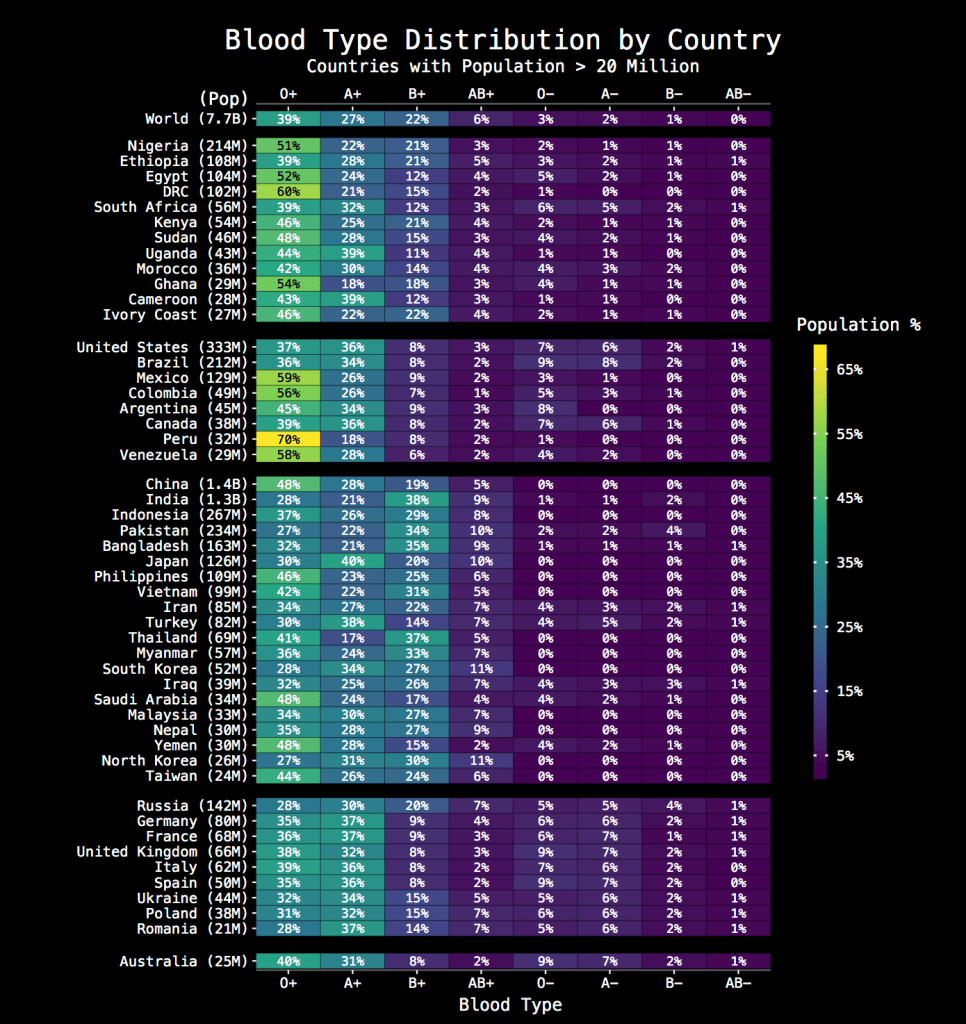
I didn’t see a source citation in the post but the chart shows the blood type distribution % by country.. I’ve always been told that the transplant wait list for B+ is pretty long in Southern California. This gives one reason: there are less people with my blood type in the US. Worldwide, this chart says 22% of the population is B+, but it’s only 8% in the US. This shrinks the potential donor pool, thereby making the wait time a lot longer. I joked about moving back to Canada but the B+ percentage is about the same as the US. Taiwan is a lot higher at 24% of the population but with already four years accrued on the UNOS list, the remaining wait time is probably similar to starting over in Taiwan.

 Life with chronic diseases