Cardiac Rehab 1/21/2020

I was planning to go to cardiac rehab right after dialysis today. Dialysis ended at 1:00 pm and I had a pre-surgery assessment call at 3:00 pm. I thought I could squeeze in a rehab session in between 1:00 pm and 3:00 pm. Instead, the hospital called me at 1:00 pm, just as I was finishing dialysis. The call ended up lasting until 1:45 pm so I went to rehab at around 2:00 pm.

Parking is not free. If you get a validation stamp, then the first hour is free but the next hour is $3.00. Since the rehab is only 30 minutes of cardio plus some arm exercises, you’d think that one could get out in <60 minutes. Nope. You have to check in, then pay, then they take your blood pressure three times: at the beginning, after cardio, and at the end. The two times I attended have taken me about 80 minutes each time so each session is costing me $28 instead of just the $25 insurance co-pay. I still haven’t seen how much the hospital charges my insurance for each workout session.

This is only session #2 so 22 more remaining. I plan on going tomorrow morning at 7:30 am and again this Friday at around the same time. Once I start work, I will need to go MWF at 7:30 am so I can get to work at a decent time.

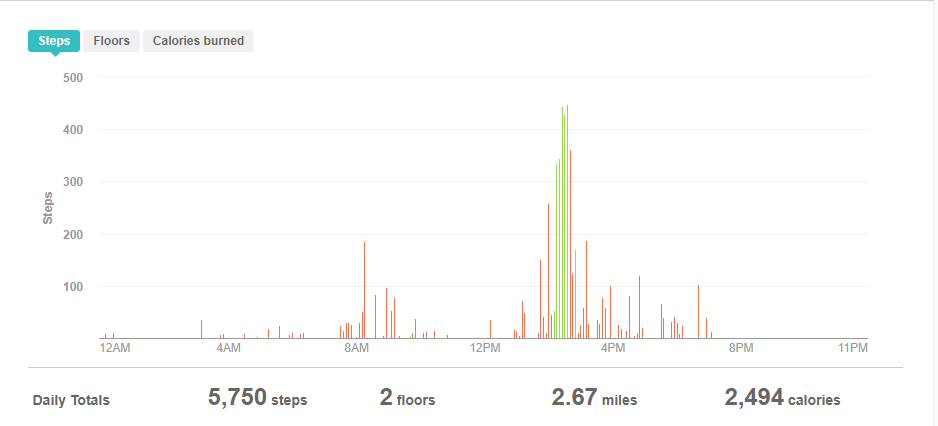
Pretty obvious when I was on the treadmill

Acupuncture 101

I asked my acupuncturist today to explain in basic terms what she doing with me. She said that the needles are creating micro-trauma that forces the body to heal itself, which increase circulation. That explains the large number of needles in my feet but she also stuck a needle in each hand and a few in my scalp. In any case, that sounds almost scientific. What happened to balancing the yin and yang, and releasing the blocked qi in your body? I also read that a lot of acupuncturists either heat the needles or connect electric current to the needles to stimulate the acupuncture points. My acupuncturist just sticks the needles in and leaves the room for 25 minutes. If the goal is to create micro-trauma, does it matter where you stick the needles?

Oh well. She’s the one with the PhD in Oriental Medicine. I don’t think I feel any difference but it’s only been three sessions so far. Actually, I think the neuropathy was worse this weekend and today. Hopefully it’s just random day-to-day variations. My fear is that acupuncture doesn’t end up helping but makes the numbness worse.

Lab Results 1/16/2020

I believe the results are from blood drawn last Thursday. Drawing blood is easy for dialysis patients; there’s already easy access to blood through the dialysis machine.

Lab TestDesired RangeMy Value
Albumin3.5 – 5.04.3
Potassium3.5 – 5.54.8
Phosphorus3.5 – 5.54.2
Calcium8.5 – 10.28.7
Parathyroid Hormone200 – 600328.2
Hemoglobin A1C< 8.05.0

I think they test for a lot of other things but we don’t see most of it. The nutritionist said my Vitamin D is a bit low at 26.4 (normal is > 30) even though I’m taking a supplement each day. The also inject some other drugs (e.g., Epogen) directly into the dialysis machine but I’ve never seen a complete list.

Dialysis Time Warp

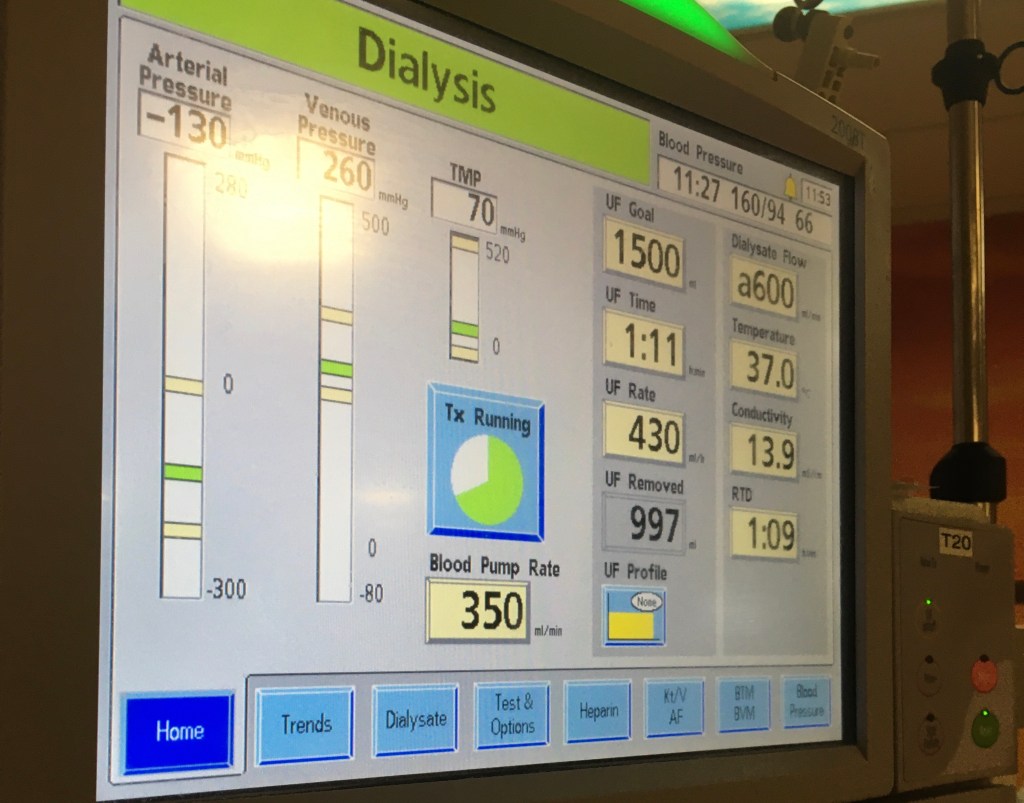
I took this about half an hour ago so there is still 37 minutes left. I was getting stress out because the neuropathy seems worse than usual today and it was uncomfortable sitting still. I was considering to ask the nurse to take me off dialysis early but the nutritionist stopped by to review my lab results, which distracted me for 30 minutes. This is the struggle during each session: can I find enough distractions (phone calls, blog posts, streaming video, etc.) to take the focus away from the physical discomfort so I can make it through the 3.5 hours.

Fourth Blood Pressure Medication (updated)

Ok, it’s more like three and a half. My blood pressure was still high during dialysis so my nephrologist told me to take 10 mg of NIFEdipine before dialysis. This is in addition to the 30 mg extended release version I take at night. I used to have a prescription for this medication so I still have lots of it at home. And it seems to work:

TimeSystolicDiastolicPulseNotes
9:13 am1629267Standing
9:27 am1639164Sitting/legs up
9:57 am1609065Sitting/legs up
10:27 am1388266Sitting/legs down
10:57 am1358365Sitting/legs down

I took the 10 mg of NIFEdipine at around 9:45 am so the 9:57 am reading could be just random noise. However, the next two readings are definitely lower even though my legs are down. That’s my experience in the past too. NIFEdipine is very effective for me and it usually kicks in 30-45 minutes after I take it. I’m not sure what the long term plan is for managing my blood pressure will be with this new data point. I want to try and reduce the number and dosage of all my medication. I just make an appointment with the cardiology nurse practitioner for tomorrow; maybe she will have some ideas.

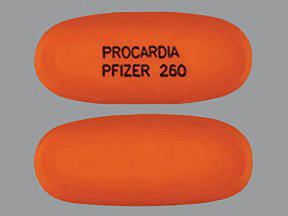
NIFEdipine is the generic version of Procardia

==========

Well, that didn’t last very long. The last reading at 11:27 am was 160/94/66, which is similar to the reading at 9:57 am. It seems like the lower blood pressure only lasted a hour. Is that the effective life of the medication, or is it getting dialyzed out? I read that NIFEdipine does not usually get dialyzed out so maybe it’s still working but being offset by something else. During the past week, after I started taking Olmesartan in the morning before dialysis, my blood pressure would start in the 160’s but climb to the 190’s about halfway through the session. Perhaps this second effect is causing the increase. Next reading is in five minutes.

==========

The 11:57 am reading was 153/87/66 with legs down while sitting up. This is consistent with the previous reading with legs up of 160/94/66. My nephrologist also told me to take the morning Metoprolol before dialysis. My dialysis nurse suggested I take it after dialysis since Metoprolol seems to be highly dialysable. This is turning out to be quitevthe science experiment.

Last Flight

Dōtonbori, Osaka

After the last post about travel and food, I looked through my photos and the Japan/Taiwan trip in late 2015 was the last time I was in an airplane. I think I drove to San Francisco and Mammoth Lakes after that but no more flights. Then I started dialysis in July 2017 and I have not been outside of Southern California since then. I used to travel quite a bit. My previous passport needed additional pages sewn in because I ran out of room for visas and entry/exit stamps. I believe my record year for boarding passes was 60 plus. This was when I was traveling to Asia visiting friends and consulting for my friend’s company in China.

I am a bit ambivalent about international travel now. I miss the adventure of visiting a new place and trying to figure out where to go and what to eat. There are still many places that I’ve never been and want to visit: Korea, Malaysia, Australia, New Zealand, Indonesia, Eastern Europe, Costa Rica, South America, and lots of places in the United States. However, flying to Asia usually requires a long haul flight. LAX to Tokyo wasn’t too bad but I remember many 14-15 hours flights to Hong Kong from LA. With worsening peripheral neuropathy, I don’t know if I can sit that long in a confined space. I probably have to fly business class in the future if I need to take a transatlantic or transpacific flight. I think I had a panic attack on the flight back from Paris in 2014 and that was in premium economy. Just thinking about sitting in the middle seat in economy is making me nervous.

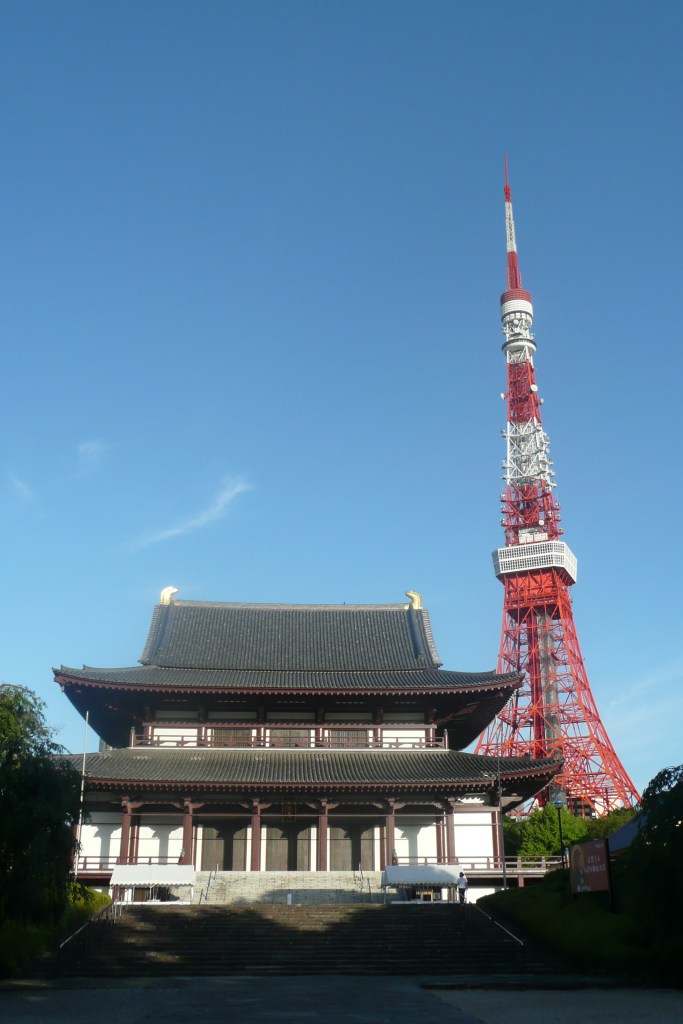
Zojoji Temple and Tokyo Tower

YouTube Travel and Food Channels

So not working and having insomnia is a bad combination. It also means I watch a lot of YouTube videos. Recently, it’s mainly these three channels:

Forget about the last one for now; it’s mainly a channel that tours mid-sized yachts. The other two channels are mainly about travel and food. Both hosts seem to have huge appetites and like everything spicy. Mark appears to be half-white and half-Asian (Thai?) and lives in Thailand. Mike is a Chinese guy from New York. I’ve been watching a lot of their videos, especially those filmed in Taiwan and Japan since I just visited a few years ago. Mike has a video about Mala Hot Pot in Taiwan:

I think I’ve been to the exact same restaurant branch a few years earlier in 2015. Here’s a photo I took while we ate:

Mala Hot Pot in Ximending, Taipei

Likewise, Mark has a video where they visit the Taipei Zoo and he eats stinky tofu at the top of Maokong Gondola:

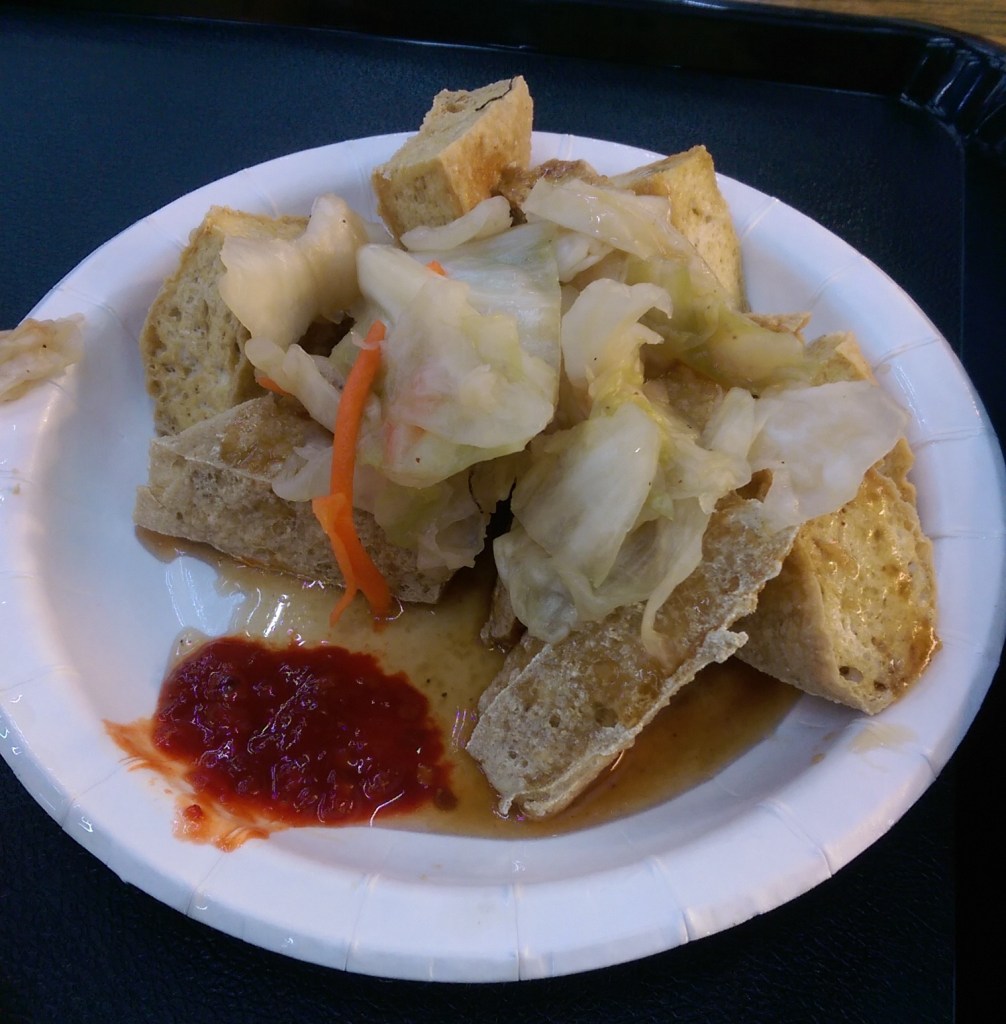
We were there a few months after him and I bought stinky tofu at the exact same location:

Fried Stinky Tofu, Taipei

I can’t travel now but I was thinking about traveling again and eating post-transplant. However, most of the food in Asia are definitely not heart healthy. Everything is greasy from cooking oil and the meat is pretty fatty. After watching some videos from the channels above, I wonder how long those guys will last without their own heart bypass surgery. Maybe they work out a lot or are genetic freaks, but eating fat/salt/sugar in huge quantities can’t be good for them.

Primarily due to kidney failure and dialysis, I’m fairly careful about fluids when I eat. Tonight our family went out to eat for Chinese New Year. I couldn’t eat that much because of the two root canals from this morning but I turned down a second bowl of soup, not drinking too much tea, and avoiding all the salt/pepper dishes. Sigh…

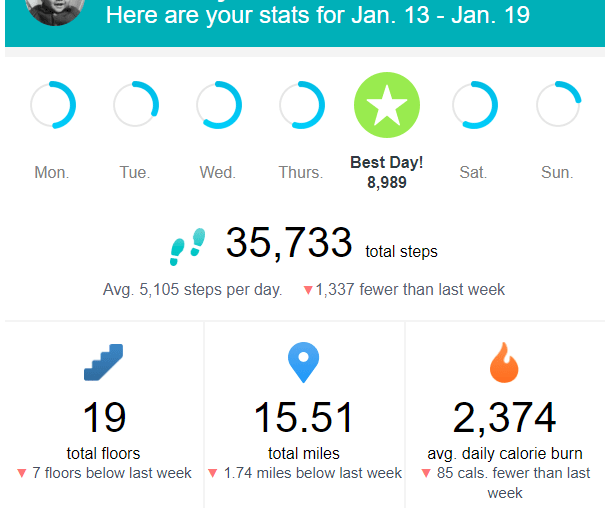
Fitbit Weekly Recap 1/13 – 1/19

Hmm, everything statistic is less than last week. I think the tracker didn’t count my 30 minutes on the treadmill in the cardiac rehab gym last Friday which should bring the steps and miles closer to prior week. I’m not sure the floor tracking is working either. Often I would walk up the stairs in my house and the tracker does not register anything. Maybe it only does it during an exercise cycle?

The endodontist said there are no post-root canal restrictions on exercise but I was too tired to go to cardiac rehab or out for a walk today. I’ll have to pick up after dialysis tomorrow.

I Wasn’t Sleeping!

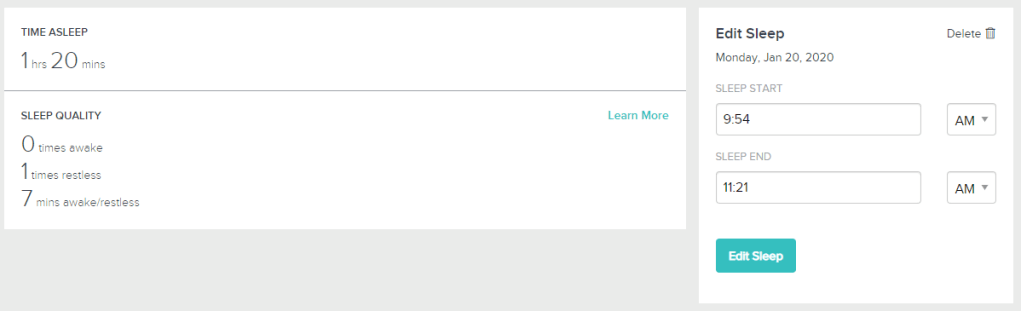
I took a long nap when I got home from the endodontist today since I did not get much sleep the night before. In review the sleep data from Fitbit, I found this:

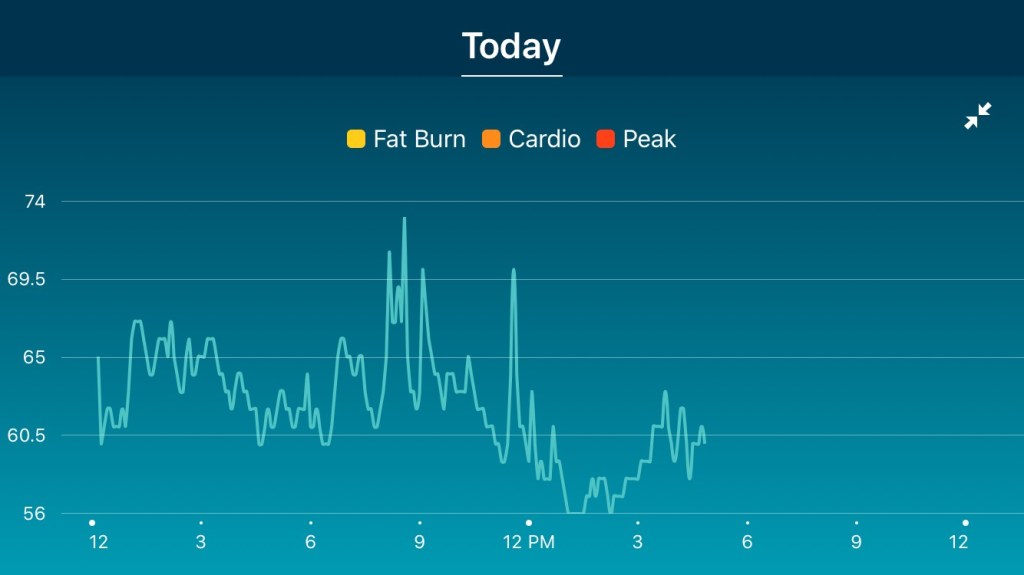
The tracker though I was asleep from ~10:00 am to 11:30 am, which was right in the middle of my root canals. I can assure you, even though I was lying down in the chair, I was not asleep. As I mention in the previous post, it hurt a lot several times. I though the tracker measure movement and heart beat to determine sleep cycle. Here is heart beat data from the iOS app:

Maybe it was the drop in heart rate from 65 to 60 combined with zero movement. Anyway, I’m going to have to delete the data point.

Root Canals #1 and #2

That turned out to be a two hour appointment. Also when he said it wouldn’t hurt, that wasn’t quite true. There were times when he would hit a nerve and it would hurt a lot. Part of it was that they had to use a shorter lasting anesthetic due to my heart, and he said one of the roots was pretty deep. It was also expensive. Even with my inadequate dental insurance, it came out to almost $2,000. I still have two more root canals to do so that will probably be over $3,000 since I used up all my annual insurance allowance.

That’s not all. This doesn’t include crowns to cap the tooth. That will probably be over $1,000 each so this dental adventure will probably end up costing over $10,000 when it’s all done. Since UCLA transplant center will require a dental clearance for any infections, I have to do this anyway. I’m just surprised how fast I got cavities and tooth infections since I was cleared 18 months ago.

Medicare Start Date (updated)

I downloaded my Benefit Verification Letter from Social Security today. The letter said under Medicare Information that I am eligible for hospital insurance under Medicare beginning December 2018, and medical insurance under Medicare beginning January 2020. Hospital insurance is also Medicare Part A and there is no premium. Medical insurance is Medicare Part B. I’m assuming that since I do not receive a check from Social Security, I will get a bill for Part B premiums.

I still don’t understand who pays for what now that I have two insurance coverage. Does Medicare only pay for ESRD related expenses such as dialysis, or does it pay 80% for everything? I know that Medicare’s reimbursement rate is typically less than private insurance contracts so will my doctors take Medicare? Do I show providers both insurance cards and let them figure it out?

==========

I think I’m gonna have to read this entire PDF from CMS.

AliveCor KardiaMobile 6L

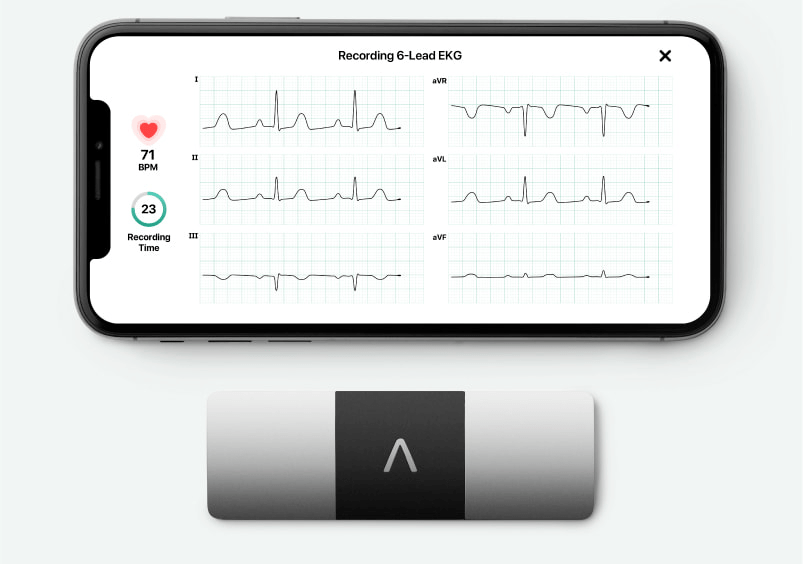
So I ended up buying the KardiaMobile 6L instead of an Apple Watch. I just received it before dinner thanks to Amazon Prime same-day delivery. I played with it for awhile and it seems pretty cool. I don’t know if my doctor will take its “normal” diagnosis over a 12-lead EKG in their office. I asked my parents to try it too. They are both “normal” but much harder to measure using the six lead method.

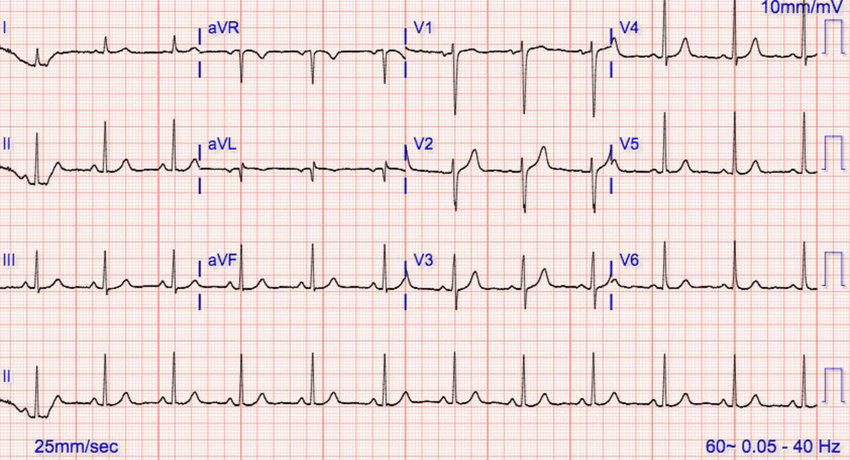
One of my “normal” EKG readings

The app want you to measure your EKG at least three times a week to have enough data for more analysis. There is also a premium subscription that adds a few more features.

Walking 1/18/2020

Ugh. I sat on my bed debating whether or not to go out for a walk. I felt a bit tired today after dialysis but ended up going out anyway. I walked 1.3 miles at a pace of 23’54”. It’s now ~4:30 pm so maybe I’ll take a quick nap before dinner.

Medical Issue Update

On New Year’s Day, I wrote a long post that lists everything that was medically wrong with me. It’s three weeks later (almost) and time for an update.

  • ESRD: still on dialysis (six months)
  • Dialysis access: surgeon wants to perform full surgery with general anesthesia; surgery scheduled for 1/31/2020; recovery schedule unknown (3 weeks)
  • Cardiac Rehab Program: started program; one session down, 23 remaining (6-8 weeks)
  • Peripheral neuropathy: no real change but hoping that some will wear off as amiodarone side effect; started acupuncture to treat symptoms (unknown)
  • Hypertension: still high; increased Metoprolol prescription and added two new medication (few weeks hopefully_
  • Back pain and pressure in chest: marginally better but chest still hurts when coughing/sneezing and sleeping on back/sides (unknown)
  • Minimal urine production: feels like no progress; dialysis center didn’t ask for 24 hour urine sample for this month’s labs (unknown to six months)
  • Insomnia: improved sleeping duration but still very inconsistent (few weeks to months)
  • Blister on left foot: podiatrist said fully healed; gave several medication for fungal infection however (90 days)
  • Dental issues: first set of root canals Monday; need to schedule rest; one tooth still in question (few months; need dental clearance for transplant)
  • Endocrinologist: still scheduled; no earlier cancellations so far (two months)
  • Lumps in left leg: vascular surgeon said will go away by itself; ultrasound scan during lower arterial exam found no vein blockage; likely hematoma from missing vein removed for bypass surgery (few weeks to months)
  • Constipation: still taking Senokot; regular bowel movement every few days

Looks like things are progressing but nothing is resolved. In the parenthesis, I put down my estimate of how long it will take to resolve the issue. Work is still stressing me out a bit. I need to get more paperwork to either extend my leave or to return to work. The private disability insurance with The Hartford ended on 1/12/2020; I don’t know when I’m approved to at the EDD but so far they paid to 1/13/2020.

Dialysis Blood Pressure 1/18/2020 (updated)

Hmm, I think there definitely is a new pattern to my blood pressure readings. It’s starting out lower than before but still rising during the dialysis session. I waited yesterday to take the NIFEdipine ER pill until late at night hoping the ER effect will last until this morning.

TimeSystolicDiastolicPulseNotes
9:17 am1619367Standing
9:27 am1749663Sitting/legs up
9:57 am1639062Sitting/legs up
10:27 am18210161Sitting/legs up
10:57 am18510663Sitting/legs down

I think either the Olmesartan or the last bit of NIFEdipine is being filtered out through dialysis. There’s no reason my blood pressure should increase by itself. Especially odd is the last reading above. I have my legs down and that is supposed to lower your blood pressure yet it’s higher than the previous reading with my legs up.

==========

Blood pressure ended at 191/103 sitting. Something must be getting dialyzed out. The nurse offered me clonidine again but I didn’t take it this time. I just took my regular Metoprolol medication after dialysis. I guess I need to talk to my nephrologist again. The last time I was on hemodialysis, I was taking 50 mg of Metoprolol Succinate once a day and 30 mg of NIFEdipine ER twice a day. Maybe I can ask my doctor to increase my NIFEdipine prescription and drop the Olmesartan. It doesn’t seem to do very much for me.

A-fib Monitor

I read that Apple Watch 4 and above have a built in ECG app to detect abnormal heart rhythm. Several years ago, I wore a Zio patch for two weeks and it detected one occurance of a-fib. More recently, my heart beat shot up to 150+ which led me to the ER and eventually bypass surgery. Post surgery, I had several occurances of a-fib and was prescribed amiodarone for several weeks. When stopping the amiodarone, my cardiologist told me to look out for signs of a-fib, while is not uncommon for heart surgery patients.

My Fitbit tracks heart rate but doesn’t really analyze heart rhythm. I thought about getting an Apple Watch but it’s $400 and doesn’t track sleep cycles. I’m fine with the used Fitbit from my sister so I looked up other mobile heart monitors and found the AliveCor KardiaMobile 6L. It seems to be the most accurate home EKG with six electrical leads vs. one in most devices. It was only $149 which seems like a good investment for someone that needs to keep a close eye on their heart from now on.

Transplant Center Survival Rate

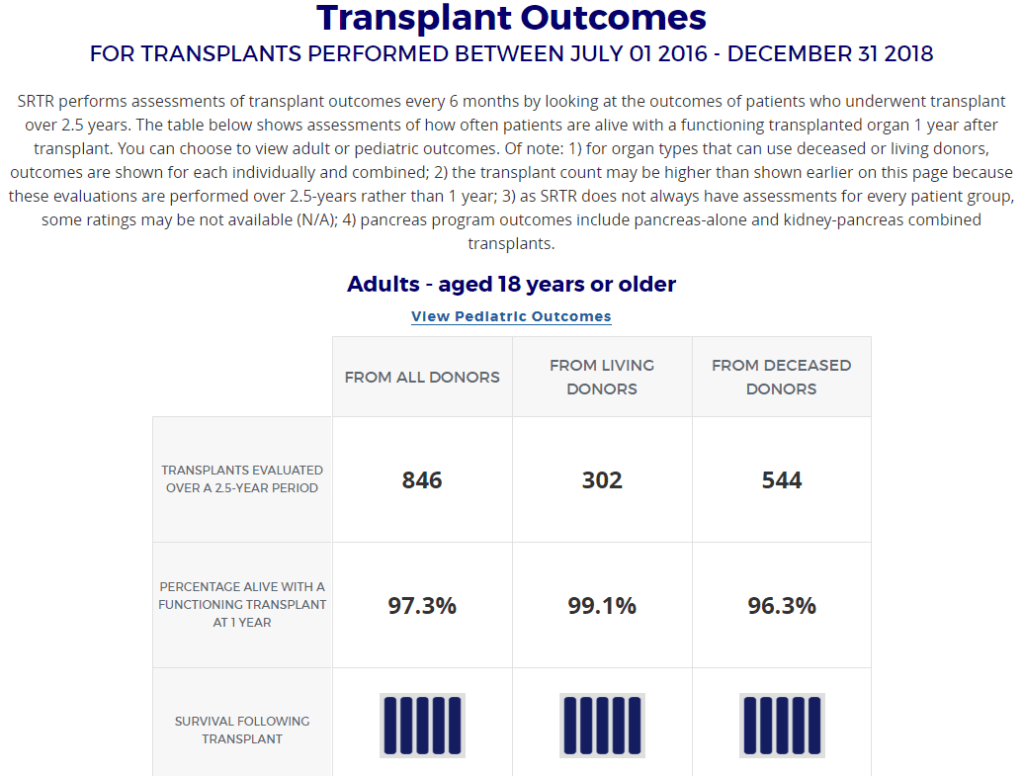
Previously, I wrote a long post trying to analyse wait times for blood type B deceased transplants across several transplant centers. There is another important statistic and that is the survival rate post-transplant. There’s no point getting a kidney transplant quickly then having it fail soon after. Using SRTR data, here are some survival statistics. % alive means percentage alive with a functioning transplant at 1-year. Survival is a five point rating from SRTR.

Transplant Center% Alive
Living
Survival
Living
% Alive
Deceased
Survival
Deceased
UCLA Medical Center99.1%596.3%5
Cedars-Sinai Medical Center100.0%594.9%3
St. Joseph Hospital100.0%4100.0%4
Keck Hospital at USC100.0%495.3%4
UCI Medical Center97.0%396.3%4
UCSF Medical Center99.6%596.9%5
UC Davis Medical Center98.6%493.5%1
Mayo Clinic Hospital99.4%494.9%4
University of Washington Medical Center100.0%498.5%5
Methodist Specialty and Transplant Hospital98.5%493.1%1
Jackson Memorial Hospital98.1%393.2%3

It doesn’t seem like the survival score is correlated with the actual % alive number. Maybe the survival score is more dependent on a longer time scale? From the list above, only UCLA and UCSF scored fives on survival for both living and deceased donors. If I was more worried about transplant outcomes, then the best option is probably to stay listed at UCLA since UCSF seems to have a ridiculously long wait time. Otherwise, Mayo Clinic and UW seem to be good alternatives: large program close by with good outcomes and shorter wait list.

Anxiety, Round 2

After getting better for a few weeks, I think my anxiety levels are rising again. During the first few weeks of heart bypass surgery recovery, when I was basically stuck on the recliner downstairs, my anxiety levels were pretty high. I couldn’t go anywhere and really didn’t know what was happening with recovery and transplant. As time went by, I became more mobile but also got answers from most of my doctors. I felt more in charge, even though I really wasn’t, but that helped my anxiety a lot. I knew what I had to do to become active on the transplant list again.

During the past few days, I noticed I was getting more anxious again, and not sleeping as well. This week and next week are pretty busy, full of appointments and prep for surgery. I started cardiac rehab, which is the one thing UCLA needed to put me back on the transplant list, but the endodontist and vascular surgery appointments may prevent me from attending for a few weeks. Also, I was supposed to go back to work on 1/31. That date was always there but far enough away to ignore. Now that my surgery is scheduled for the same day, I need to figure out how to take another week off, plus worry about what I’m going to do when I’m back at work.

These aren’t big issues compared to the heart bypass surgery but a lot of small worries is wearing me out. I just want to wake up 5-6 months from now with a “new” kidney, and all this as a fading memory.

Acupuncture 1/16/2020

I went to my second acupuncture appointment yesterday evening. It was pretty much the same as the first appointment except she got me a large foam wedge to sleep on so it’s easier on my chest. This time I tried to count the number of needles used but I really can’t feel anything in my feet. I know there is one in each hand, between the thumb and first finger. It also feels like there are three needles on top of my head. When she pulled out all the needles and discarded them in a sharps container, it sounded like a lot of needles. I should ask her next time about the basis of acupuncture and what she is doing to me.

Right now she wants me to go twice a week. I think that’s doable since they are open late Tuesdays and Thursdays. The co-pay is $40 per session but they only charge $60 per session without insurance so not too expensive. Insurance will pay for 30 sessions; the co-pay on that comes out to $1,200. Not cheap but very inexpensive and well worth it if it can improve my peripheral neuropathy. I really don’t want to take more medication since many have crazy side effects. Look at the list for Lyrica (Pregabalin). It includes “burning, tingling, numbness or pain in the hands, arms, feet, or legs.” Wait, isn’t that neuropathy?

Medicare Approval

It must be my lucky day! At least with government agencies anyway. I just checked mySocialSecurity and it said that my benefit application has been approved today.

I think my file is still being updated since the Benefit Verification Letter still says my application is pending, and I didn’t get anything in the mail yet. Pretty soon I will get a Medicare card in the mail like millions of senior citizens.

I knew my applications to Social Security and EDD were legit. I do have ESRD and heart bypass surgery is a pretty common disability when it comes to work. I was just worried that government bureaucracy would somehow bite me and it would take too long to resolve. Luckily everything seems to be processed and approved accordingly.