Disposing PD Supplies

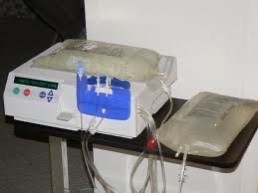
My dad and I finally disposed of my remaining peritoneal dialysis supplies. I stopped PD after my heart bypass surgery in November since it was providing inadequate dialysis clearance. I had about 20 boxes of dextrose solution leftover, as well as tubing and connector caps. The dialysis center would not take any of it since they can’t guarantee the sterility of the products at my house so all of it went into the trash.

For the dextrose solution, I had both 6,000 ml and 3,000 ml bags various dextrose concentrations. I briefly considered listing them for free pickup on Reddit or Craigslist but I figure during the COVID-19 pandemic, no one would want to come to a stranger’s house to pick up extra dialysis supplies. We ended up spending about two hours unboxing and draining the solution into my bathtub. The wrapping and plastic bags took up three whole trash bags to dispose. It’s a total waste but no one wants to screw around with medical supplies.

With all the excess supplies gone, I guess I can finally close that chapter of my life. Hopefully I can say the same thing about hemodialysis soon.
What is Dialysis?

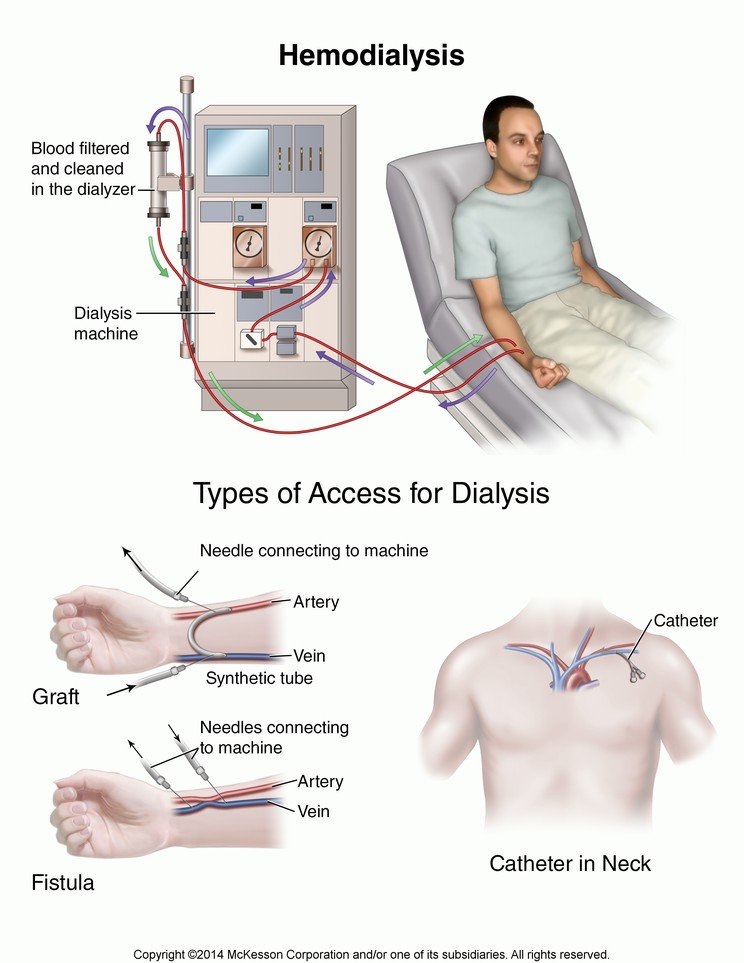
I use terms like hemodialysis and peritoneal dialysis often but most people probably don’t know what that means. I sure didn’t know anything about three years ago. I found some nice pictures online.

I go to the St. Joseph Hospital Renal Center three times a week for hemodialysis. It’s a non-profit dialysis center. Most patients are at a for-profit center like DaVita or Fresenius. Currently I have a catheter in my chest, my second one. I just had surgery to put in a fistula in my right arm above the wrist. When that matures and works, I’ll need to have the catheter removed, again.

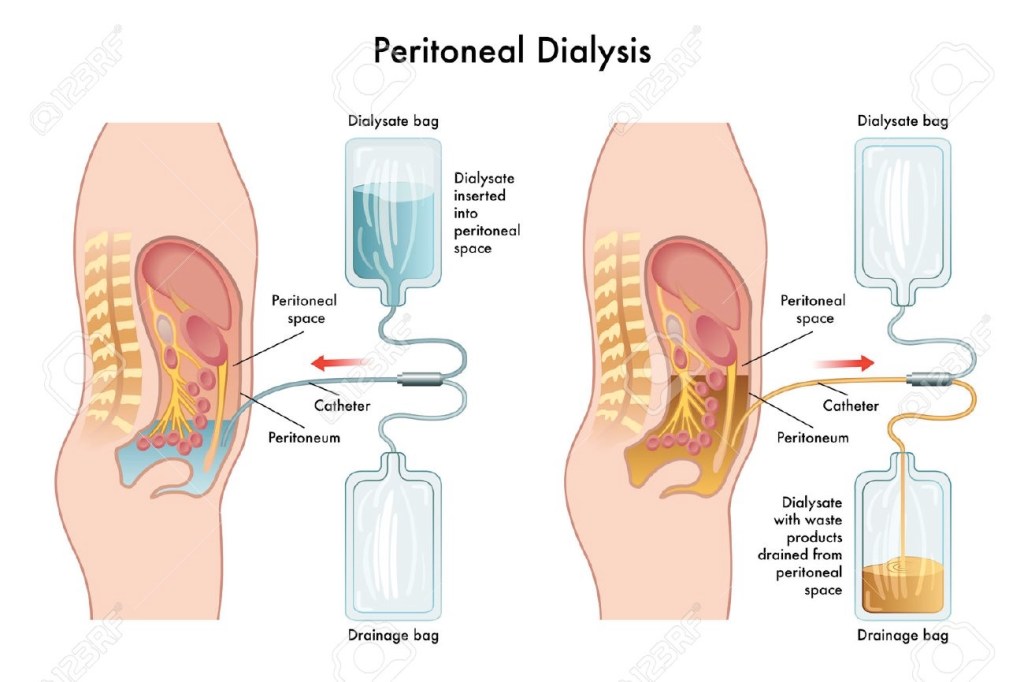
For six months I switched to peritoneal dialysis which required a different catheter. That was put in during April last year. Basically you put a dextrose solution in your abdominal cavity and let osmosis remove toxins and excess fluid by passing them through your abdominal wall membrane. The used solution is then drained and disposed. This fluid exchange can be done manually 4-6 times a day, taking about an hour each time.

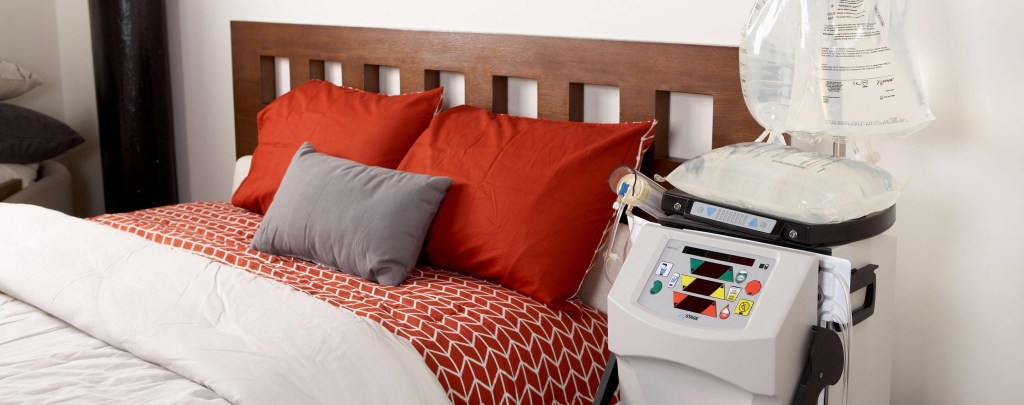
Baxter home peritoneal dialysis machine

For me, instead of using manual exchanges, I has a machine that basically pumps fluid in and out of my abdomen overnight so I can work during the day with minimal interruptions. I would attach three bags of dextrose solution totaling 15 liters and the machine would cycle the fluid five times in and out of my abdomen. I also had to do a manual exchange around noon each day for extra dialysis. It turned out that my peritoneal membrane wasn’t suited for dialysis so I had to stop and go back to hemodialysis during the same time as my heart bypass surgery.

Home hemodialysis

Also available is home hemodialysis. Basically it’s a different machine that allows you to do dialysis at home. If my living donor kidney transplants don’t work out, that may be an option for me later.

PD Catheter Flush 1/26/2020

It’s been about a week since I last flushed the PD catheter so I quickly flushed it tonight with 1.5% dextrose solution. I didn’t leave the solution inside at all so there was probably no UF. The solution bag had 2,500 mL of fluid so I did two flushes of ~1,250 mL each. The initial drain had a bit of blood in it so the drained fluid had a slight pink tinge but nothing like the craziness from January 1st.

Since the surgery to remove the PD catheter is this Friday, today’s flush will likely be my last. By next week, the catheter will be gone and I can start tossing all the remaining supplies. The PD catheter was put in on April 11th last year so it’s been almost 10 months. I kind of got used to having huge quantities of dialysate solution in my hallway and study so it will be weird to get all that floor-space back. In hindsight, I should have just gotten a fistula instead of the PD catheter. I was pretty much getting no dialysis during the last couple months of PD so who knows what additional damage I did to my body. Most likely I lost the last bit of residual kidney function, which makes hemodialysis and fluid control much harder this time around. I also fell asleep driving quite often. Luckily AutoPilot kept the car from crashing but I don’t want to try that again.