Transplant Center Survival Rate

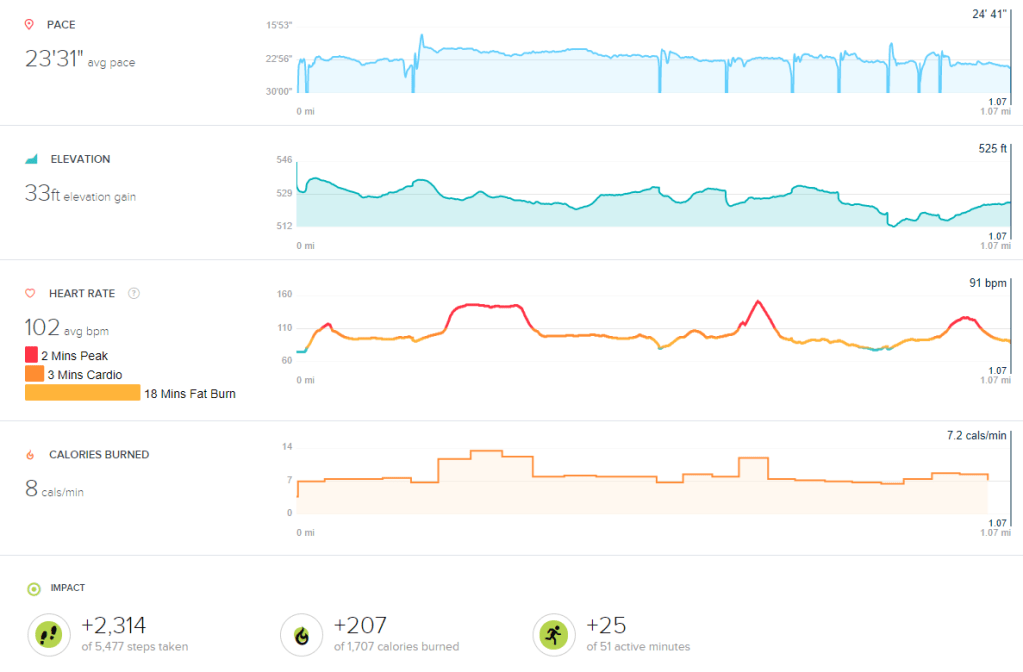
Previously, I wrote a long post trying to analyse wait times for blood type B deceased transplants across several transplant centers. There is another important statistic and that is the survival rate post-transplant. There’s no point getting a kidney transplant quickly then having it fail soon after. Using SRTR data, here are some survival statistics. % alive means percentage alive with a functioning transplant at 1-year. Survival is a five point rating from SRTR.

Transplant Center% Alive
Living
Survival
Living
% Alive
Deceased
Survival
Deceased
UCLA Medical Center99.1%596.3%5
Cedars-Sinai Medical Center100.0%594.9%3
St. Joseph Hospital100.0%4100.0%4
Keck Hospital at USC100.0%495.3%4
UCI Medical Center97.0%396.3%4
UCSF Medical Center99.6%596.9%5
UC Davis Medical Center98.6%493.5%1
Mayo Clinic Hospital99.4%494.9%4
University of Washington Medical Center100.0%498.5%5
Methodist Specialty and Transplant Hospital98.5%493.1%1
Jackson Memorial Hospital98.1%393.2%3

It doesn’t seem like the survival score is correlated with the actual % alive number. Maybe the survival score is more dependent on a longer time scale? From the list above, only UCLA and UCSF scored fives on survival for both living and deceased donors. If I was more worried about transplant outcomes, then the best option is probably to stay listed at UCLA since UCSF seems to have a ridiculously long wait time. Otherwise, Mayo Clinic and UW seem to be good alternatives: large program close by with good outcomes and shorter wait list.
Anxiety, Round 2

After getting better for a few weeks, I think my anxiety levels are rising again. During the first few weeks of heart bypass surgery recovery, when I was basically stuck on the recliner downstairs, my anxiety levels were pretty high. I couldn’t go anywhere and really didn’t know what was happening with recovery and transplant. As time went by, I became more mobile but also got answers from most of my doctors. I felt more in charge, even though I really wasn’t, but that helped my anxiety a lot. I knew what I had to do to become active on the transplant list again.

During the past few days, I noticed I was getting more anxious again, and not sleeping as well. This week and next week are pretty busy, full of appointments and prep for surgery. I started cardiac rehab, which is the one thing UCLA needed to put me back on the transplant list, but the endodontist and vascular surgery appointments may prevent me from attending for a few weeks. Also, I was supposed to go back to work on 1/31. That date was always there but far enough away to ignore. Now that my surgery is scheduled for the same day, I need to figure out how to take another week off, plus worry about what I’m going to do when I’m back at work.

These aren’t big issues compared to the heart bypass surgery but a lot of small worries is wearing me out. I just want to wake up 5-6 months from now with a “new” kidney, and all this as a fading memory.

Acupuncture 1/16/2020

I went to my second acupuncture appointment yesterday evening. It was pretty much the same as the first appointment except she got me a large foam wedge to sleep on so it’s easier on my chest. This time I tried to count the number of needles used but I really can’t feel anything in my feet. I know there is one in each hand, between the thumb and first finger. It also feels like there are three needles on top of my head. When she pulled out all the needles and discarded them in a sharps container, it sounded like a lot of needles. I should ask her next time about the basis of acupuncture and what she is doing to me.

Right now she wants me to go twice a week. I think that’s doable since they are open late Tuesdays and Thursdays. The co-pay is $40 per session but they only charge $60 per session without insurance so not too expensive. Insurance will pay for 30 sessions; the co-pay on that comes out to $1,200. Not cheap but very inexpensive and well worth it if it can improve my peripheral neuropathy. I really don’t want to take more medication since many have crazy side effects. Look at the list for Lyrica (Pregabalin). It includes “burning, tingling, numbness or pain in the hands, arms, feet, or legs.” Wait, isn’t that neuropathy?

Medicare Approval

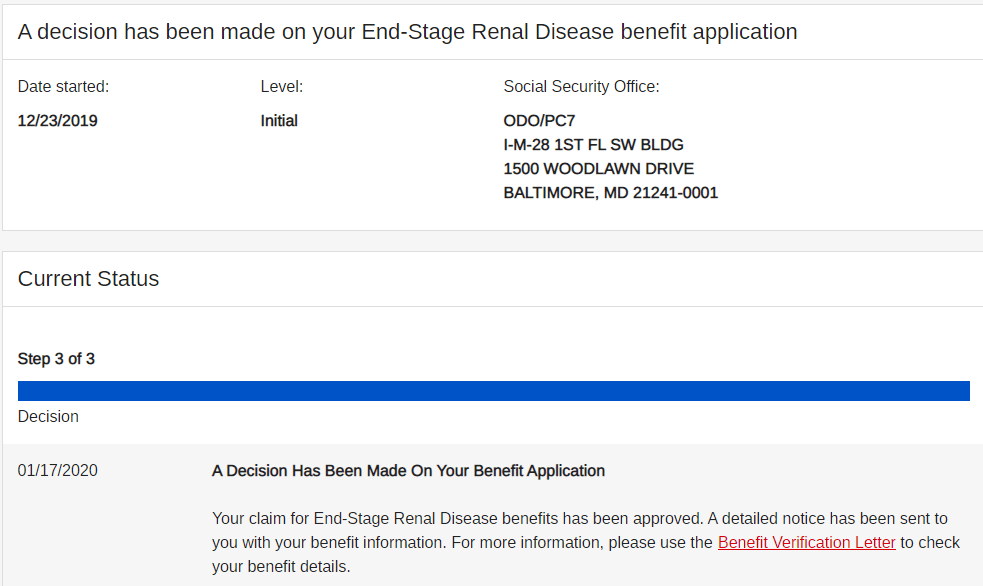
It must be my lucky day! At least with government agencies anyway. I just checked mySocialSecurity and it said that my benefit application has been approved today.

I think my file is still being updated since the Benefit Verification Letter still says my application is pending, and I didn’t get anything in the mail yet. Pretty soon I will get a Medicare card in the mail like millions of senior citizens.

I knew my applications to Social Security and EDD were legit. I do have ESRD and heart bypass surgery is a pretty common disability when it comes to work. I was just worried that government bureaucracy would somehow bite me and it would take too long to resolve. Luckily everything seems to be processed and approved accordingly.

EDD Payments

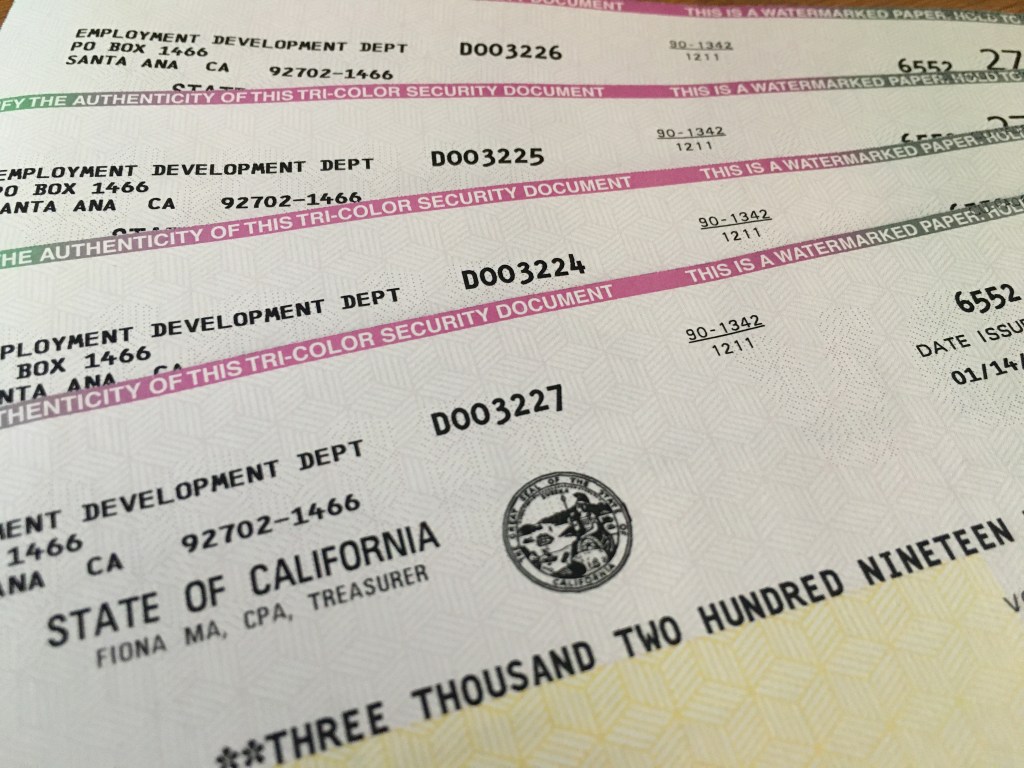
Checks. Evidently I asked them to mail me checks so I have to go deposit four checks at the bank tomorrow. There is a rule that you have to wait seven days before benefits kick in so the first date they paid for was 11/18/2019. I received three checks for 18 days and one check for 3 days which brings me to 1/13/2020. Not sure if that is the last day of their pay cycle or if they determined that my disability ends on 1/13/2020.

I was getting a bit worried. I’m not living paycheck-to-paycheck but not getting paid for 9 weeks kinda sucks.

Walking 1/17/2020

Even though I went to the cardiac rehab program this morning, I decided to talk a walk before it got dark. I walked 1.24 miles at a pace of 23’36”. Total time was 29’10” which is about the same as the 30 minutes I spent on the treadmill this morning. I should be able to go faster on the treadmill than 2.2 mph but I was pretty tired at the end of 30 minutes.

Cardiac Rehab 1/17/2020

Even though I just had the orientation yesterday, I decided that I would start my 24 sessions this morning. I was going to go in at 7:30 am but didn’t make it there until 8:00 am. It took awhile to get going since the receptionist didn’t know how much to charge me for co-pay. When I went into the gym, there were three nurses and about 10 people working out. Everyone seems to avoid the treadmills so I went on there for 30 minutes. The nurse that was helping me set the pace at 2.2 mph which came out to a pace of ~27’00” per mile.

My insurances charges me $25 co-pay per session since they consider it physical therapy. However, I’m not really getting individual attention. The nurses are just monitoring everyone’s heart rate and measuring blood pressure between exercise sets. It’s more like a regular gym workout rather than physical therapy. So for the 24 sessions plus orientation plus parking (not free), it comes out to $28 x 25 = $700 out of pocket. Not even sure how much they are charging my insurance for each session. So far, I’ve only seen a nurse about the very simple exercises. I’m hoping there are other people I can talk to, like nutritionists and psychologists.

In addition, I didn’t get out of the gym until about 9:20 am so it took 80 minutes. I have an endodontist appointment Monday at 9:15 am so it’s probably too risky to try and go exercise first. If I get there at 7:30 am sharp, I won’t get out until 8:50 am and I need about 30 minutes to get to the endodontist. I also don’t want to be all sweaty and out-of-breath. I may have to skip the entire week of cardiac rehab depending on how long I need to rest post-root canal.

Cardiac Rehab Orientation

I had orientation for the cardiac rehab program at 2:00 pm today. The program is basically 24 one-hour sessions. You would show up to the “gym” and work out for an hour, split between aerobic and strength exercises. The gym is open every day except for Thursday and is pretty small. There are a few exercise bikes and a handful of treadmills.

If I go four days a week, then I could be done in six weeks. Since they open at 7:30 am, I was thinking of going in at 7:30 am MWF then going into work afterwards. On Tuesday, I can just go in after dialysis. One issue that came up is that they measure your blood sugar and blood pressure before and after exercising. Of course they measure my blood pressure and it’s 214/120. The nurse freaks out and won’t let me do any exercises. I sat around trying to relax until the blood pressure drops to 180/100. I’m trying to explain to her that I didn’t take my meds because dialysis will probably flush them out of my system. Anyway, I think I will need to be strategic in when I take my meds so the blood pressure is not too high during cardiac rehab, and not too low that I pass out.

I also have surgery scheduled in two weeks that may delay the workouts but I still don’t know what kind of arm limitations there will be after the fistula operation.

Looking For A Donor

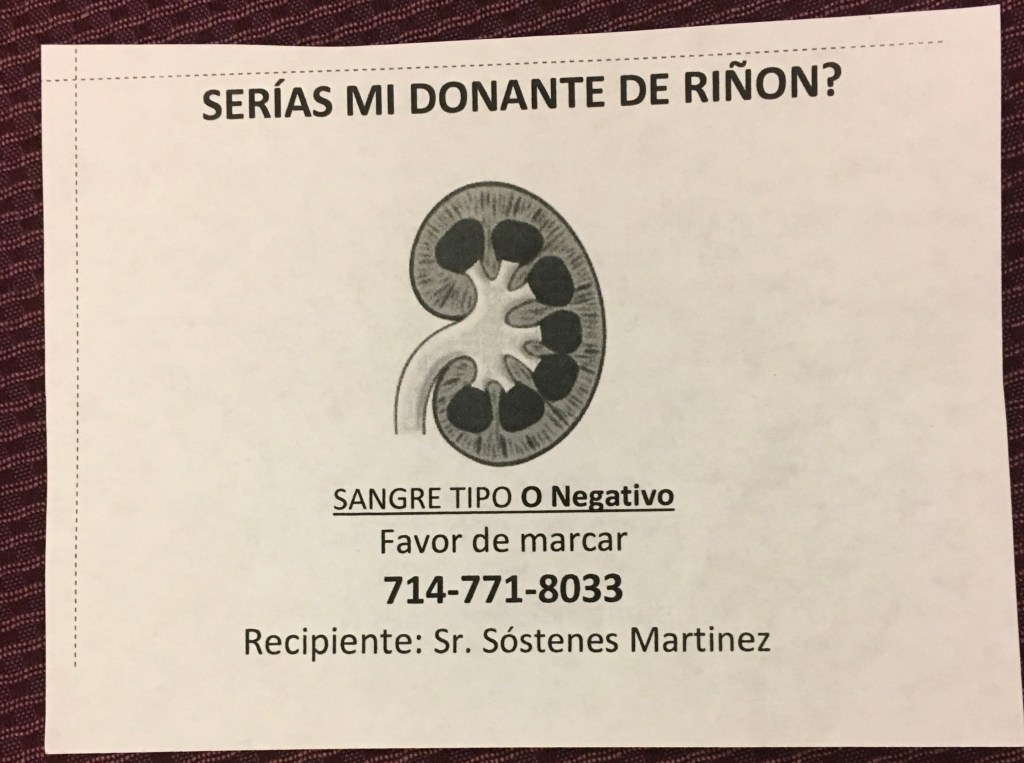
I saw this in a waiting room at the St. Joseph Outpatient Pavilion.

I think the top part says “Would you be my kidney donor?” in Spanish. He’s looking for a O negative kidney. I wonder how long he has been on dialysis, if at all.

I have a hard time even asking family and friends if they would consider donating. This is asking for random strangers to donate a kidney. I wonder if these efforts are effective.

Slowing Pulse

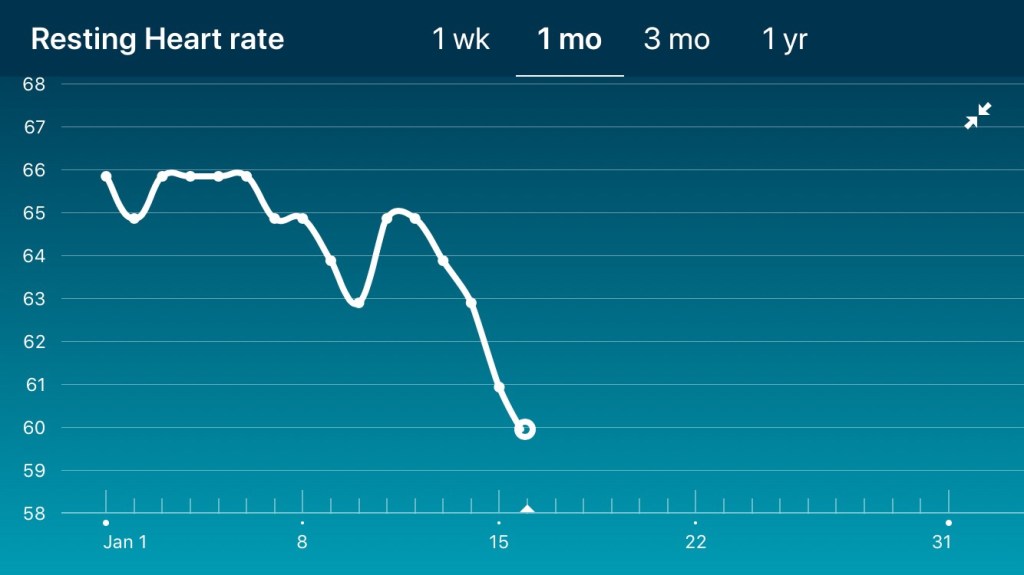
When I was prescribed Terbinafine, the pharmacist was concerned about a drug interaction with Metoprolol. All my doctors said it was okay to take both medication but to watch my pulse rate in case the drug interaction induces bradycardia. Here is a plot of my resting heart rate as measured by my Fitbit tracker.

I started taking the Terbinafine on 1/12 which is when my pulse starts to drop from 65 to 60 on average. Is that statistically significant? Bradycardia is usually defined as <60 bps so should I wait until it drops to 59?

Show Me The Money!

I finally got a notice from the EDD saying that my disability claim is in an automatic payment cycler. From the attached Notice of Computation form, I’m eligible for the max amount of $1,252 per week. It’s less than my salary but every bit helps.

It also says it may take 14 days for me to receive payment. I think it’s either direct deposit or I’m getting a check. EDD also accepted my disability start date of 11/11/2019 but I’ll probably be back at work by the time I get the first payment.

Dialysis Blood Pressure 1/16/2020 (updated)

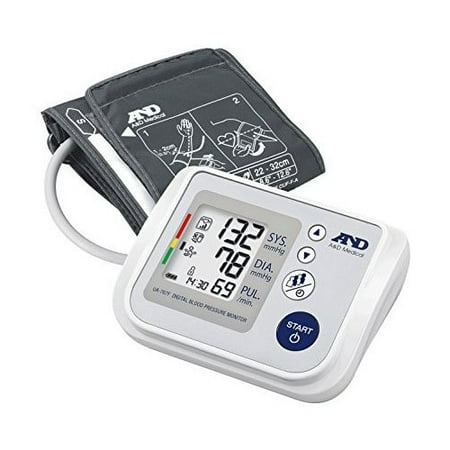
I just started the dialysis session for today but the blood pressure readings look a lot better. The machine only took four readings so far but they’re much lower than Tuesday. The only variable is the NIFEdipine ER I took last night. I’ve tried many hypertension drugs in the past and this seems to be one of the more effective ones.

TimeSystolicDiastolicPulseNotes
9:09 am1629167Standing
9:16 am1658865Sitting/legs up
9:25 am1689062Sitting/legs up
9:55 am1609261Sitting/legs up

I hope this holds. Maybe I can drop one of the other hypertension medications later.

==========

Hmm, at about 11:00 am, my blood pressure started to rise again. It jumped from 168/99 to 188/108 in about an hour. I only took one hypertension medication prior to dialysis. Maybe it’s getting dialyzed out. I did find a research paper that studied the same drug (Olmesartan Medoxomil) and dialysis but found no effect.

PD Catheter Removal Surgery

Surgery has been scheduled. It will be on January 31st at 11:00 am. I need to check in at 9:00 am for pre-op stuff and the surgery should take about two hours. The surgeon is taking out the now unused peritoneal dialysis catheter, and also putting in a fistula into my left arm. Since I will be under general anesthesia, they will need to keep me until it wears off, which may be awhile since I can’t pee stuff out. I think the recovery is very quick; I don’t remember being out of it too much when they put in the PD catheter. Removing it should be an easier surgery since there’s nothing poking through your skin. I was supposed to go back to work on January 31st but will now need to take a few vacation days depending on how long recovery takes.

I’m kind of ambivalent about this surgery. Sure they need to take teh old catheter out but I really didn’t want the fistula, even though everyone recommends I get one. If it takes three months to heal and mature, I’ll only end up using it for a couple of months. As surgeries go, these are minor out-patient events. After an open heart surgery, all other procedures seem minor in comparison.

Blood Pressure Medication

I verified again that the combination of three blood pressure medications does work. Not sure how long they last however. I measured my standing blood pressure right before dinner and it was 180/100/59. I then took the medication after dinner which was about 90 minutes ago. I just measure my blood pressure again and it was 117/72/64. That’s an amazing 63 point drop in the systolic measurement. I’m hoping the ER portion of the NIFEdipine I’m taking will last throughout the night and not get filtered out by dialysis. I have orientation for the cardiac rehab program tomorrow at 2:00 pm. I wonder if they will let me participate if my blood pressure is again at 180/100 or something.

OrganJet

In a 1:1 meeting not long ago, my boss asked why I don’t register somewhere with a shorter wait list then charter a private jet to fly to the transplant center when the call comes. Looking at data from the previous post, there are lots of large transplant centers with probably half the wait times as Southern California.

Of course, someone else already thought of the idea and started a business. I found OrganJet online.

OrganJet provides an information service, as well as options for timely and affordable air transport, for patients who are multi-listed or distant listed for organ transplants in the U.S.

Looking at their Patient Transportation Services, it seems they only provide transport for flight times that are less that three hours. Since I can drive to Phoenix or Sacramento, this would only be useful for Oregon and Washington transplant centers. All the major transplant center in Texas and the Midwest are too far away.

The founder of OrganJet, Sridhar Tayur, is a professor at Tepper School of Management at Carnegie Mellon University. I wonder how much he makes from this side business.

Three Year Statistics for Blood Type B

I’m such a data nerd. I should have been a statistician or something. All this data at SRTR has me interested. I think the most relevant data point for me is the three year deceased donor transplant rate. I’m going to look at that data point for a bunch of transplant centers.

Transplant Center%B #B %Location
United States25.4%14,23521.0%
UCLA Medical Center20.2%23320.2%SoCal
Cedars-Sinai Medical Center27.8%17633.0%SoCal
St. Joseph Hospital8.3%166.2%SoCal
Keck Hospital at USC26.3%15819.6%SoCal
UCI Medical Center11.3%640.0%SoCal
Loma Linda University Medical Center18.0%9813.3%San Bernardino
UCSD Medical Center16.3%687.4%San Diego
UCSF Medical Center8.6%3825.8%NorCal
Stanford Health Care6.5%1575.7%NorCal
California Pacific Medical Center11.8%2138.0%NorCal
UC Davis Medical Center42.1%24422.5%Sacramento
Mayo Clinic Hospital47.3%13551.9%Phoenix
Banner University Medical Center24.2%7619.7%Phoenix
Oregon Health & Science University47.2%3246.9%PDX
Legacy Good Samaritan
Hospital and Medical Center
41.4%2934.5%PDX
University of Washington Medical Center41.6%5955.9%Seattle, WA
University Medical Center of Southern Nevada60.8%4652.2%Las Vegas
Rochester Methodist Hospital19.0%6221.0%MN
NYU Medical Center32.3%5617.9%New York
Presbyterian Hospital/Columbia18.0%14513.1%New York
Presbyterian Hospital/Cornell10.0%1344.5%New York
Loyola University Medical Center19.9%6820.6%Maywood
Univ of Illinois Medical Center15.9%8219.5%Chicago
Northwestern Memorial Hospital17.4%15813.3%Chicago
Methodist Specialty and Transplant Hospital12.8%2029.9%San Antonio
Houston Methodist Hospital18.5%14515.9%Houston
Jackson Memorial Hospital27.7%26519.6%Miami
Tampa General Hospital41.6%15440.9%Tampa
Medical Univ of South Carolina45.7%14537.9%Charleston
Medical College of Virginia Hospital35.6%9534.7%Richmond
Ohio State Univ Medical Center41.3%8530.6%Columbus
The Queen’s Medical Center19.5%7414.9%Honolulu

I pulled statistics for a lot of California transplant centers, those of nearby states, and other large transplant centers. Several interesting points:

  • Large cities have longer wait times (or lower % transplanted after three years)
  • Northern California is the worst
  • Blood type B wait lists are typically worse than the total population
  • My PD nurse mentioned listing in Oregon and Washington; the wait list is shorter but would be hard to get there for a transplant
  • Mayo Clinic in Phoenix seems like the best place since it’s a large program and within driving distance from Southern California
  • What’s up with UC Irvine? I thought of listing there but seems like no blood type B transplants even though there were 64 people listed.

Then there is St. Joseph Hospital. Almost all my doctors are affiliated with St. Joseph and most of my many surgeries were performed there, including the quadruple bypass. Overall, I have no issues with the quality of care, except for the kidney transplant program. I was originally listed at St. Joseph with my sister as a living donor. However, my sister researched the surgeon they assigned to remove her kidney and he was under sanction by the medical board and had ongoing lawsuits. My sister asked for a new surgeon and St. Joseph promptly rejected her as a donor. It wasn’t even a medical excuse but something the social worker made up. We appealed and that was rejected too so we transferred to UCLA Medical Center. We also heard St. Joseph is very protective of their transplant success statistics so they are overly picky in accepting transplants. This is apparent if you look at the numbers above. St. Joseph is in the same UNOS region as all the other SoCal transplant centers yet their transplant rate is significantly below everyone else’s numbers. Are they rejecting kidneys that other centers are fine using? Do all their patients want to wait longer for a “better” kidney?

Wait List and Transplant Statistics

Found another website with lots of data: SRTR (Scientific Registry of Transplant Recipients). Here is the webpage for a summary of kidney transplants at UCLA Medical Center and a 63 page detailed report.

Here’s what I got out of the reports:

  • Total people on wait list at UCLA = 2,146 (at end of June 2019)
  • Type B = 15.5% or ~333 people
  • Asian = 19.7% or ~428 people
  • For the 1,488 people listed from 7/1/2013 to 6/30/2016, only 20.2% received a deceased donor transplant after three years compared to 25.4% nationwide
  • For Asians, there were 266 people listed and only 13.5% received a deceased donor transplant after three years compared to 21.9% nationwide
  • For blood type B, there were 233 people listed and only 20.2% received a deceased donor transplant after three years compared to 21.0% nationwide
  • The wait list appears to be longer at UCLA than the national average but for blood type B, the difference appears to be very small

Since they kept talking about the Mayo Clinic in Arizona at the support group I attend this past weekend, I looked up some of the same information. I think the most important number is the three year transplant rate for blood type B. The number is 51.9% for Mayo Clinic compared to 20.2% at UCLA. Since I have ~3.4 years accrued on the UNOS wait list, there’s a 50/50 chance that I would have had a deceased donor transplant already if I listed at Mayo Clinic.

I’m still counting on one of my two potential donor transplant candidates. The drug requirements and mortality outcomes are much better but if both don’t work out, then transferring to Mayo Clinic seems like a real option.

Walking 1/15/2020, Part II

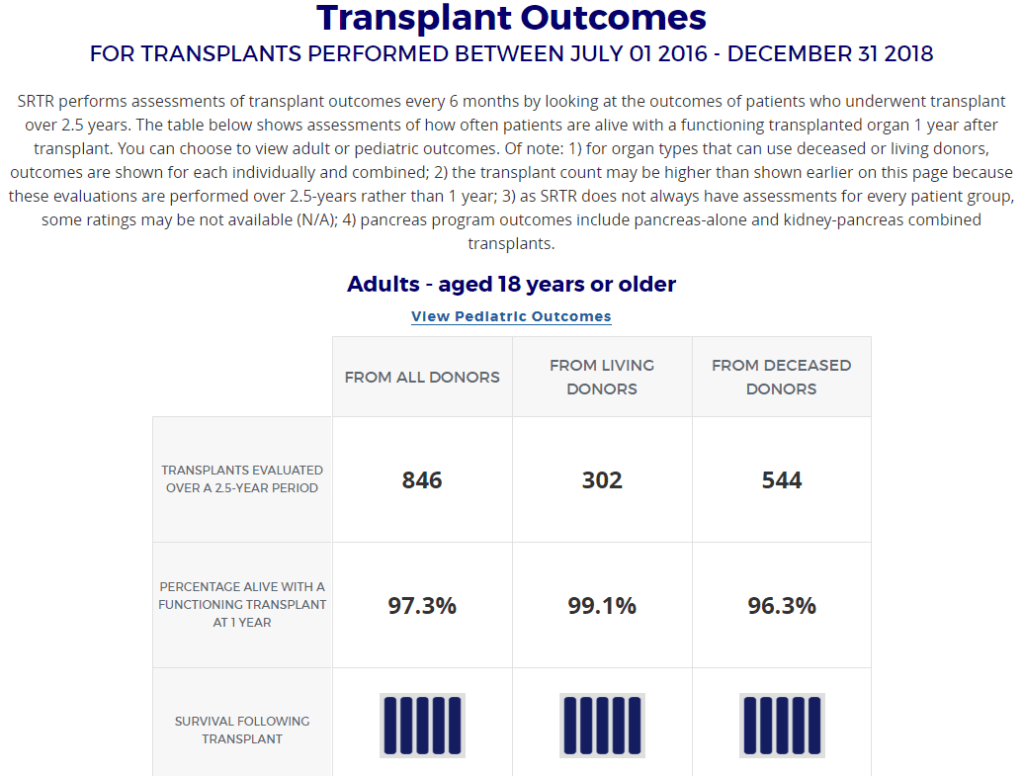
I walked 1.07 miles at a pace of 23’31”. I was by myself so the pace was a bit faster. I noticed that the GPS didn’t kick in on the last walk. I think I started the tracker in the garage where the GPS signal was weak. This time waited until I was out on the driveway before starting the tracker and it worked fine.

Walking 1/15/2020

I walked 1.0 miles at a pace of 26’59” today. It was a bit slower because I went walking with my dad; usually I’m fastest if I’m by myself. The path we walked took us right by the local elementary school. I guess I’ve never walked here around noon on a school day. There was a huge traffic jam where parents come to pick up their kids. I don’t know if it’s just the kindergarten students or everyone but traffic was backed up to the main road. I think parents have to park then get out to collect their kids. I thought most of the kids should be local since it’s only an elementary school but it seemed like almost every parent was in a car. Surprisingly, the entire mess was gone when we walked back in 15 minutes.

Weather was nice. I’ll try going out again before it gets dark. It’s my last chance to get some pre-cardiac rehab program exercise in.